Why Choose Synthetic Grass for Your Lawn and Landscape?
In recent years, the popularity of Synthetic Grass has surged in residential and commercial landscapes. According to industry reports, the global synthetic turf market is expected to reach $5.5 billion by 2024. This growth reflects a shift towards more sustainable landscaping solutions. Homeowners appreciate the low maintenance and year-round greenery that synthetic grass provides.
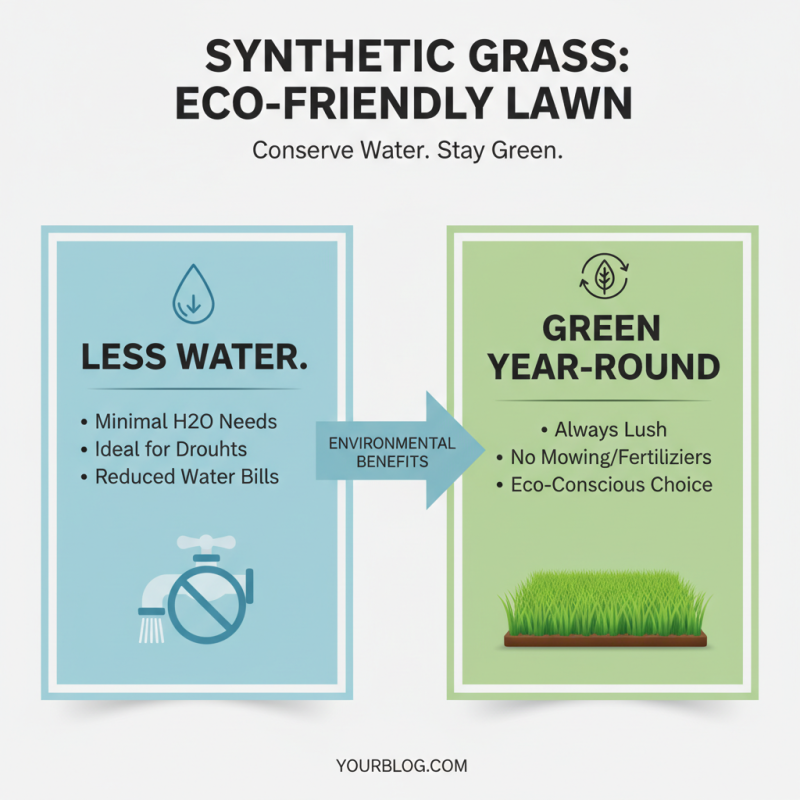
Synthetic Grass eliminates the need for harmful pesticides and excessive water. This is especially significant in drought-prone regions. Many cities are promoting the use of artificial turf to conserve water. However, it’s important to acknowledge concerns regarding heat retention and surface safety. Some people worry about how hot the surface can get in direct sunlight.
While there are valid criticisms, the environmental benefits of synthetic grass cannot be overlooked. It's long-lasting and reduces the carbon footprint associated with lawn care machinery. Choosing synthetic grass might not be for everyone, but for many, it offers a practical and eco-friendly alternative to traditional lawns.
Benefits of Synthetic Grass for Residential Lawns
Synthetic grass is becoming the preferred choice for many homeowners today. Research shows that around 12 million tons of grass clippings end up in landfills each year. By choosing synthetic grass, homeowners can significantly reduce waste. This grass is also water-efficient, saving around 55 gallons of water per square foot annually. This is especially important in areas facing water restrictions.
Additionally, synthetic grass offers a low-maintenance option. Unlike natural lawns, it doesn’t require mowing, weeding, or fertilizing. Homeowners can spend their weekends on leisure instead of lawn care. However, some may worry about the initial cost. It can be higher than natural grass, but studies suggest long-term savings on water and maintenance can offset this investment over time.
Another point of concern is heat absorption. Some synthetic grasses can become quite warm in direct sunlight. This could be uncomfortable for pets and children. Using light-colored materials or adding shade can help. It's essential to weigh these factors before making a decision. Balancing aesthetics, maintenance, and environmental impact is crucial for any homeowner considering synthetic options.
Why Choose Synthetic Grass for Your Lawn and Landscape? - Benefits of Synthetic Grass for Residential Lawns
| Benefit |
Description |
Environmental Impact |
Cost Efficiency |
| Low Maintenance |
Requires minimal upkeep, no mowing, watering, or fertilizing. |
Conserves water, reducing overall usage. |
Lower long-term maintenance costs. |
| Durability |
Resistant to wear and tear, can withstand heavy foot traffic. |
Long lifespan, reducing the need for replacements. |
Long-term cost savings due to less frequent replacement. |
| Aesthetic Appeal |
Always looks lush and green, regardless of weather conditions. |
Eliminates the need for chemical pesticides and fertilizers. |
Enhances property value without extensive landscaping costs. |
| Safety Features |
Non-toxic, safe for children and pets, and provides a soft landing surface. |
Helps in reducing the use of harmful chemicals in yard care. |
Lower costs related to injuries from slips and falls. |
Cost-Effectiveness of Synthetic Grass Over Time
Synthetic grass has gained popularity due to its cost-effectiveness over time. One major advantage is the reduction in maintenance costs. Traditional lawns require regular watering, mowing, and fertilizing. These tasks can add up quickly. In contrast, synthetic grass eliminates most of these expenses. It needs no watering and minimal upkeep. This means significant savings on utility bills.
Beyond maintenance, synthetic grass lasts much longer than natural grass. A well-installed synthetic lawn can endure years of wear without needing replacement. This durability can be a crucial factor for families with pets or children. Natural grass, in contrast, can suffer from wear and tear, needing reseeding or patching. The initial investment in synthetic turf may seem high. Yet, considering long-term savings, it often pays off.
Cost-benefit analysis shows that synthetic grass can be a wise choice. Still, one must reflect on the environmental impact. While it saves money, it may not be the most eco-friendly option. Certain types of synthetic grass can contribute to microplastic pollution. It’s essential to weigh these factors alongside the tangible economic benefits.
Environmental Advantages of Synthetic Grass Use
Choosing synthetic grass for your lawn can significantly benefit the environment. Unlike natural grass, synthetic options require minimal water. This can lead to reduced water consumption, especially in drought-prone areas. Homeowners can conserve water while enjoying a lush, green lawn year-round.
Another advantage is the reduction of harmful chemicals. Traditional lawns often require fertilizers and pesticides that can contaminate local waterways. Synthetic grass eliminates the need for these products. Fewer chemicals mean a safer ecosystem for animals and plants. However, it’s important to consider the environmental impact of production and disposal of synthetic materials.
Some might argue about the lack of biodiversity with synthetic lawns. Natural grasslands support various insects and wildlife. Synthetic grass doesn’t provide the same habitat. Therefore, while it offers convenience and lush aesthetics, it also raises questions about local ecology. Adapting to synthetic grass is a choice that carries both benefits and challenges.
Maintenance Comparison: Synthetic Grass vs. Natural Grass
When considering your lawn and landscape, maintenance plays a crucial role. Synthetic grass requires significantly less upkeep than natural grass. With synthetic options, you don't need to mow, water, or fertilize. This means more free time for family, hobbies, or relaxation. The lack of pesticides is a significant plus, reducing chemical exposure. Yet, some may miss the earthy scent and natural feel of real grass.
Natural grass demands regular care. Weekly mowing is essential to keep it tidy. Watering is often a chore in dry seasons, potentially increasing utility bills. Fertilizers and weed control are other ongoing tasks. The upkeep can feel overwhelming, especially for busy homeowners. However, the satisfaction of a lush green lawn is rewarding. You may find it hard to give up that fresh, organic look.
While synthetic grass offers convenience, it lacks the organic charm of natural lawns. Some may reflect on the differences in texture and temperature. It can get quite hot under the sun, impacting comfort. Each option has its pros and cons. Making the right choice often depends on personal priorities and lifestyle.
Why Choose Synthetic Grass for Your Lawn and Landscape?
The chart above compares the annual maintenance costs associated with synthetic grass and natural grass. Synthetic grass requires significantly lower maintenance costs, amounting to approximately $200 per year, compared to $800 for natural grass, making it an attractive option for homeowners looking to reduce upkeep expenses.
Aesthetic Appeal and Customization Options of Synthetic Grass
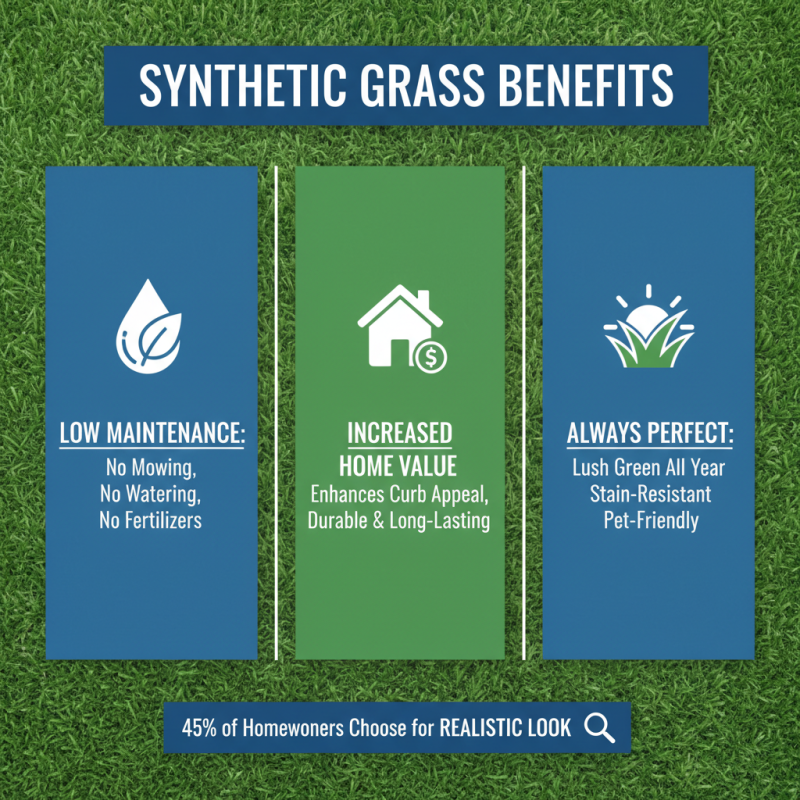
Synthetic grass has gained popularity for its aesthetic appeal and customization options. Many homeowners appreciate the vibrant colors that synthetic grass can bring to their landscape. The look of a perfectly manicured lawn is now achievable without the hassle of regular maintenance. According to a recent industry report, over 45% of homeowners choose synthetic grass for its realistic appearance, which enhances property value.
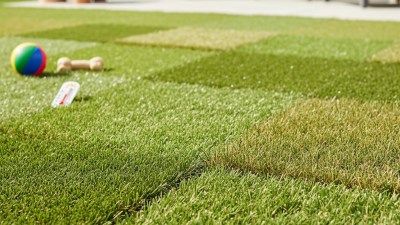
Customization is another significant factor. Synthetic grass is available in various textures and colors, allowing homeowners to create unique outdoor spaces. Some options mimic the look of natural grass almost perfectly. Others combine colors for a more artistic flair. A report from the American Society of Landscape Architects found that 63% of professionals believe that customized synthetic landscapes can increase client satisfaction.
It's important to note that while synthetic grass offers many advantages, some users may experience challenges. High-temperature days can lead to a hot surface, making it less inviting. Additionally, the initial installation cost can be a deterrent for some. However, despite these flaws, many find that the long-term benefits outweigh the drawbacks, especially when it comes to aesthetics and personalization in landscaping.