2025 Top Turf Grass Types: Best Varieties for Your Lawn and Landscape
When it comes to cultivating a vibrant and picturesque lawn, selecting the right turf grass is crucial. As homeowners and landscape enthusiasts seek to enhance their outdoor spaces, understanding the various types of turf grass available in 2025 will empower them to make informed decisions. The right choice not only elevates the aesthetic appeal of a property but also contributes to sustainability and resilience against environmental challenges.
In this guide, we will explore the best varieties of turf grass that are particularly suited for different climates, soil types, and usage scenarios. From the robust and drought-resistant options to those that thrive in shaded areas, the diversity of turf grass types allows for tailored landscaping solutions. Furthermore, comprehending the unique characteristics and maintenance requirements of each type can lead to a flourishing lawn that complements any landscape design, ensuring that your outdoor space remains lush and healthy. Whether you are planning a new lawn installation or renovating an existing one, navigating the world of turf grass in 2025 will prepare you to achieve the lawn of your dreams.
Overview of Turf Grass Types for 2025
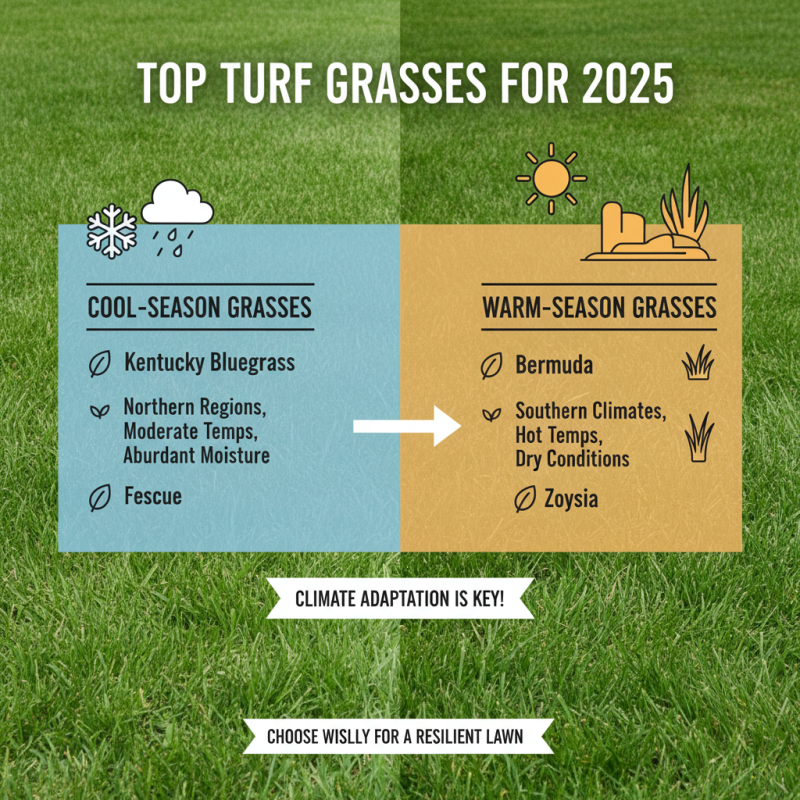
When considering the best turf grass types for your lawn and landscape in 2025, it’s essential to understand the diverse varieties available. Each type of grass has unique characteristics and advantages suited to different climates, soil types, and usage. Cool-season grasses, such as Kentucky bluegrass and fescue, thrive in northern regions where temperatures are moderate and moisture is abundant. Meanwhile, warm-season grasses, including Bermuda and zoysia, are better suited for southern climates, benefiting from hot temperatures and dry conditions. This distinction is crucial for homeowners aiming to establish a resilient and attractive lawn.
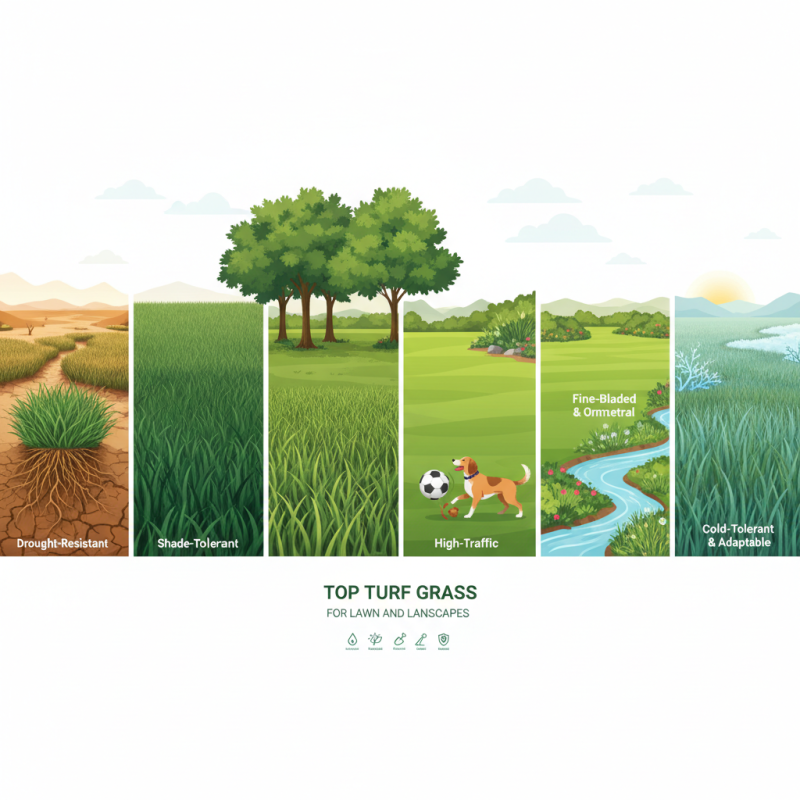
**Tips:** When selecting turf grass, consider your local climate and the specific conditions of your lawn, such as sun exposure and soil type. Conducting a soil test can provide insights into nutrient levels, allowing you to choose a grass variety that will flourish. Additionally, think about how you intend to use your lawn; for example, high-traffic areas may require more durable and resilient grass types, while ornamental spaces can accommodate finer varieties.
As you plan your landscape for 2025, take into account the environmental impact of your grass choices. Opting for drought-resistant grass varieties can not only reduce water usage but also promote a healthier ecosystem. Incorporating native grasses can also enhance biodiversity and support local wildlife. Always remember to maintain proper mowing heights and irrigation practices, as these factors significantly influence the health and appearance of your lawn.
Factors to Consider When Choosing Turf Grass Varieties
When selecting the appropriate turf grass varieties for lawns and landscapes, several critical factors must be examined to ensure optimal growth and sustainability. One primary consideration is climate adaptability. According to the National Turfgrass Evaluation Program (NTEP), different grass types thrive under varying temperature and humidity conditions. For example, cool-season grasses like Kentucky bluegrass are ideal for northern regions, while warm-season types such as Bermudagrass perform better in southern climates. Understanding your local climate can significantly influence the success of your turf grass selection.
Soil quality is another essential factor that impacts the choice of turf grass. Soil pH, nutrient composition, and drainage capabilities play vital roles in grass health. A report by the American Society of Agronomy emphasizes the importance of conducting a soil test prior to installation, as this can identify deficiencies and help in selecting grass that will perform well in those conditions. Additionally, turf grass varieties vary in their drought tolerance and disease resistance, making it crucial to select those that will thrive in specific soil and weather conditions while minimizing maintenance needs.
Lastly, usage and foot traffic are important factors to consider. For high-traffic areas, such as playgrounds or sports fields, durable varieties like Perennial Ryegrass may be more suitable. The Sports Turf Managers Association notes that certain grasses can recover from wear and tear more effectively than others, which can prolong the life of a lawn or landscape. By considering these factors, homeowners and landscape professionals can make informed decisions that lead to a healthy and resilient turf grass selection.
2025 Top Turf Grass Types: Best Varieties for Your Lawn and Landscape
Popular Warm-Season Turf Grass Options
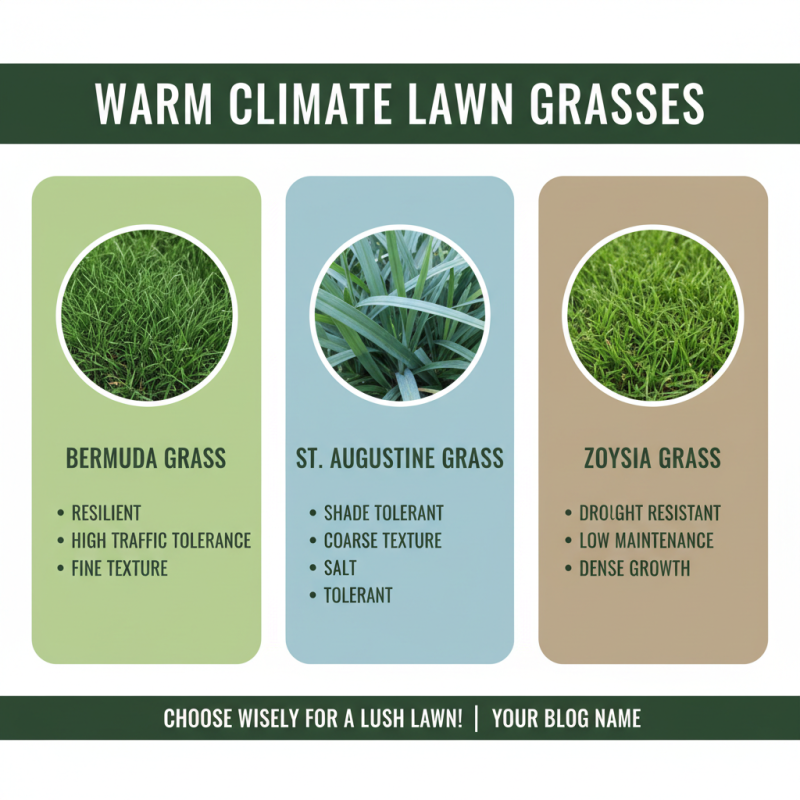
When selecting the best grass types for your lawn in warm climates, it's essential to consider several popular warm-season turf grass options that thrive in these conditions. Bermuda grass is one of the top choices, known for its resilience and ability to withstand heavy foot traffic. Its fine texture and rich green color contribute to an aesthetically pleasing lawn, making it ideal for recreational areas. Bermuda grass establishes quickly and grows vigorously during the warmer months, providing a lush blanket that enhances outdoor spaces.
Another excellent option is Zoysia grass, which is recognized for its heat and drought resistance. Zoysia features a thick, carpet-like texture that offers a beautiful appearance while also requiring less mowing than other grass types. It adapts well to various soil types and can tolerate some shade, making it a versatile choice for residential landscapes. This grass type has slower establishment compared to Bermuda grass, but once rooted, it forms a dense lawn that can effectively outcompete weeds and manage heat stress.
For those looking for a more unique appeal, Centipede grass is a low-maintenance alternative that thrives in acidic soils typical of many southern regions. Its slow growth encourages a laid-back lawn care routine, as it requires less frequent mowing and fertilization. Centipede grass has a coarse texture and a bright green hue, making it an attractive option for homeowners who prioritize minimal upkeep without sacrificing aesthetics. By understanding these popular warm-season turf grass varieties, homeowners can create vibrant landscapes that will flourish during the sunny months.
Best Cool-Season Turf Grass Varieties
When selecting the best turf grass for cooler climates, it’s crucial to consider varieties that thrive in lower temperatures and endure the stresses of winter. Some of the top cool-season turf grass types include Kentucky bluegrass, tall fescue, and perennial ryegrass. Kentucky bluegrass is renowned for its lush, vibrant appearance and dense growth, making it a favorite for homeowners seeking an aesthetically pleasing lawn. It also has excellent adaptability and can fill in bare spots effectively, though it often requires more maintenance.
Tall fescue, on the other hand, has gained popularity for its drought resistance and deep root system, making it suitable for various soil types. It offers a robust and resilient lawn that can withstand the heat of summer while remaining green during cooler months. Perennial ryegrass is known for its quick germination and establishment, which makes it ideal for overseeding and creating a fast green cover. Its fine texture and rich color enhance lawns and playing fields alike, providing a lush aesthetic and a great surface for recreational activities. Each of these varieties brings unique benefits, ensuring that homeowners can find the ideal option to suit their landscape needs.
Maintenance Tips for a Healthy Lawn and Landscape
Maintaining a healthy lawn and landscape requires a combination of proper grass selection and effective maintenance practices. According to the U.S. Department of Agriculture, well-maintained turf can significantly improve air quality and reduce soil erosion, making the choice of grass variety integral to both aesthetic and environmental benefits. For optimum results in various climates, cool-season grasses like Kentucky bluegrass and tall fescue, as well as warm-season options such as Bermuda grass and Zoysia grass, are recommended. Each type has unique characteristics that affect their resilience and growth patterns, indicating the need to select varieties that align with regional climate and lawn usage.
In addition to choosing the right grass types, proper maintenance is crucial for building a robust lawn. Research by the National Association of Landscape Professionals shows that mowing regularly at the correct height promotes denser, healthier turf, which translates to improved drought resistance. It's also essential to implement a fertilization schedule based on soil tests to ensure your lawn receives adequate nutrients. Regular watering practices should be adapted from both seasonal and weather-related considerations; deep, infrequent watering encourages strong root development. By following these recommendations, homeowners can cultivate lush, thriving lawns that enhance their landscapes while supporting ecological health.