Essential Tips for Choosing Grass Turf for Your Lawn?
Choosing the right Grass Turf for your lawn can be a daunting task. Experts in the field have lots to say about it. According to landscape architect John Smith, “The quality of grass turf can make or break your lawn.” This emphasizes the importance of making an informed choice.
Selecting Grass Turf goes beyond color and price. Different types serve different purposes. For instance, some grass grows well in the shade, while others thrive in full sun. Understanding your lawn's environment is crucial. You should also consider maintenance needs. Some grasses require more care than others, which could lead to frustration down the line.
It's easy to get overwhelmed by the options. However, take time to evaluate your needs. Ask local suppliers for samples. Walk on the turf to feel its texture. A little extra effort can result in a lawn you love. Remember, the perfect Grass Turf choice reflects your personal style and lifestyle.

Understanding Different Types of Grass Turf: Cool-Season vs. Warm-Season
When it comes to grass turf, understanding the difference between cool-season and warm-season varieties is crucial. Cool-season grasses thrive in northern climates. They grow best in spring and fall. Examples include Kentucky bluegrass and fescue. In contrast, warm-season grasses flourish in southern regions. They prefer the hot summer months. Bermuda and zoysia are popular choices here.
Consider your local climate carefully. If you experience cold winters, choose cool-season grass. It will establish well and remain green longer. Warm-season grasses require heat to grow, so they may struggle in cooler areas. These choices matter. Think about sunlight exposure as well. Some grasses need full sun, while others tolerate shade.
Tip #1: Test your soil before making a decision. This step can reveal pH levels and nutrient needs.
Tip #2: Invest time in preparation. Properly preparing the soil ensures better growth.
Tip #3: Don’t forget to consider maintenance needs. Some grasses require more water and mowing than others. These simple tips can help you avoid frustration later.
Essential Tips for Choosing Grass Turf for Your Lawn
| Grass Type |
Best Climate |
Maintenance Level |
Ideal Use |
Color |
| Bermudagrass |
Warm, sunny regions |
Medium |
Sports fields, high traffic areas |
Dark green |
| Kentucky Bluegrass |
Cool temperate regions |
High |
Residential lawns |
Rich green |
| Tall Fescue |
Transition Zones |
Medium |
Residential and commercial lawns |
Dark green to light green |
| Zoysia Grass |
Warm and humid regions |
Low |
Residential lawns |
Medium to dark green |
| Perennial Ryegrass |
Cool-season regions |
Medium |
Quick patches, overseeding |
Bright green |
Evaluating Soil Quality and Preparation for Optimal Grass Growth
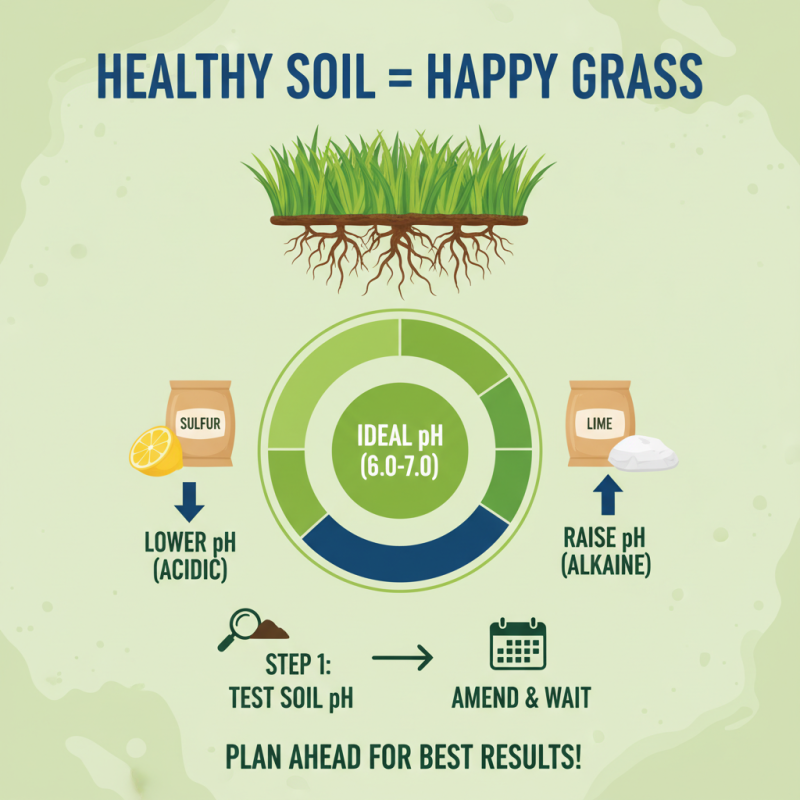
Soil quality is crucial for grass growth. Before laying turf, test your soil. Check pH levels. Healthy soil is slightly acidic to neutral. You may need to amend it based on the test results. Add lime to raise pH or sulfur to lower it. These adjustments can take time, so plan ahead.
Preparation is essential. Clear debris, rocks, and weeds from the area. Aerate the soil to improve drainage. This step often gets overlooked. It may seem tedious, but it fundamentally supports grass roots. Mix in compost to enrich the soil. Healthy soil fosters robust growth.
Sometimes, soil appears fine but has hidden issues. Compaction can limit root development. Take the time to remedy this. You might need to use a tiller for deeper aeration. Overseeding can help revive a struggling lawn. Reflect on these tasks; they set the foundation for successful grass growth.
Assessing Climate Conditions: Choosing the Right Grass for Your Region
When selecting grass turf, climate conditions are pivotal. Understanding the regional climate can dramatically affect turf success. For example, warm-season grasses thrive in southern regions, while cool-season variants perform better in the north. The USDA Plant Hardiness Zone Map classifies areas, guiding your choice based on temperature ranges.
Tips: Test your soil's pH. Most grass types prefer a pH between 6.0 and 7.5. This simple test can prevent costly mistakes. Also, analyze rainfall levels and temperatures in your area. Local weather patterns determine water needs.
Consider deep-rooted grass types if you live in arid regions. They require less water and can endure droughts. According to the National Turfgrass Evaluation Program, Kentucky bluegrass, while popular, struggles in high heat. An astute selection will increase lawn resilience. Reflect: are you truly considering local conditions? If unsure, consult local experts or extension services.
Essential Tips for Choosing Grass Turf for Your Lawn
This chart illustrates the percentage of recommended grass types for different climate conditions. Generally, 60% of regions benefit from cool-season grass, while 40% are more suitable for warm-season grass. Understanding your local climate is crucial when selecting the right turf for your lawn.
Maintenance Requirements for Different Turf Types: Watering and Mowing Needs
When selecting the right grass turf for your lawn, consider maintenance needs. Different turf types require various levels of care. Some types thrive in warm climates, while others do better in cooler conditions. For example, cool-season grasses need more water in the early morning. Meanwhile, warm-season varieties prefer afternoon watering. Keeping the right schedule can make a big difference.
Mowing is another crucial aspect. Some grasses grow quickly and need frequent mowing. Others grow slower and can go longer between cuts. It’s important to set a height when mowing. Cutting too short can harm the grass and lead to brown patches. A height of around three inches is often ideal for many turf types.
Also, reflect on your own availability. Do you have the time for frequent watering or mowing? It’s essential to choose a turf that matches your lifestyle. If you like a lush lawn but lack the time, perhaps drought-resistant options may be a better fit. Observing your lawn needs will guide you to the right choice.
Identifying Turf Grass Durability: Resistance to Disease and Foot Traffic
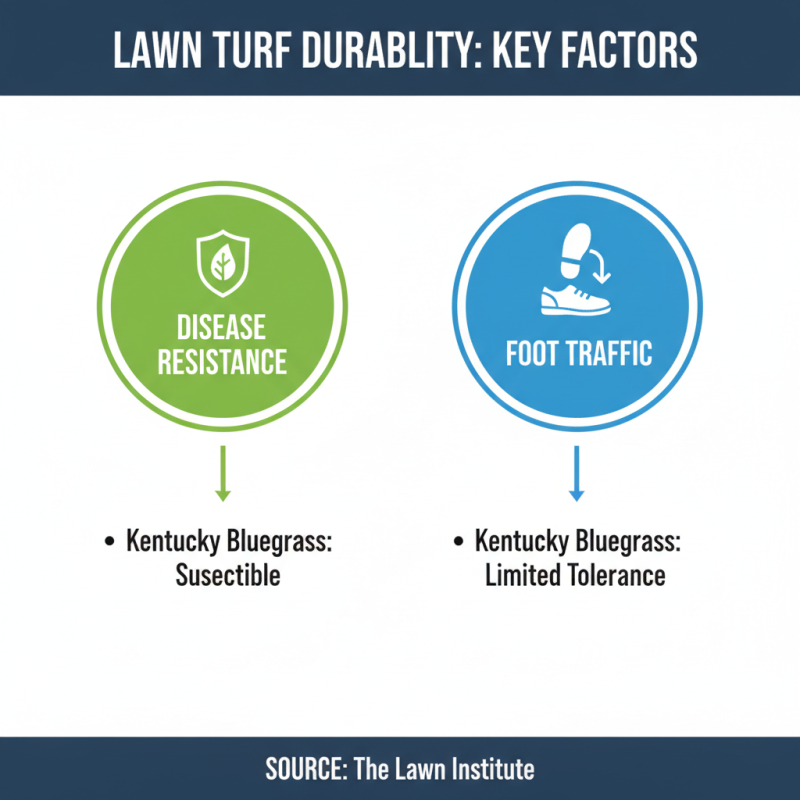
When selecting grass turf for your lawn, durability is key. Two primary factors to consider are resistance to disease and foot traffic. According to the Lawn Institute, specific grass types have shown varied resilience. For example, Kentucky bluegrass can survive limited foot traffic but may be susceptible to certain diseases.
Research suggests that fine fescue is excellent for shaded areas. It's tough against wear and tear but can struggle in sunny spots. A study by the University of California indicates that resistant turf varieties can reduce maintenance needs. This can save homeowners time and money in the long run. However, no turf is immune to problems. Even the hardiest varieties need proper care and occasional replacement.
Evaluating grass durability means considering your lawn's use. An active household may need robust varieties that recover quickly. However, even those types may decline over time. It's essential to monitor conditions and adjust choices as needed. In the end, understanding these aspects leads to better decisions. Your lawn should be both beautiful and functional.