Top Tips for Choosing the Best Plastic Grass for Your Lawn?
Choosing the right type of Plastic Grass for your lawn can be a daunting task. With so many options available, it's important to make an informed decision. The market offers various styles, colors, and textures, each catering to different needs and preferences.
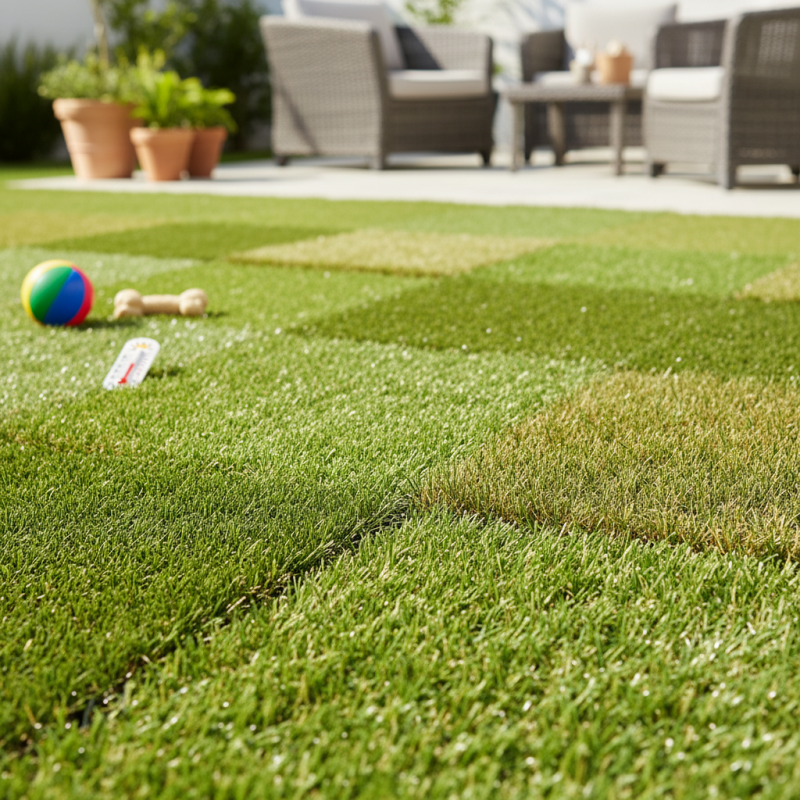
When selecting Plastic Grass, consider your lifestyle and the specific requirements of your outdoor space. Do you have pets? Will children frequently play on it? These factors influence the type of Plastic Grass best suited for you. Also, think about the climate in your area; some artificial grass withstands heat better than others.
Remember, not all Plastic Grass is created equal. Some products may look great initially but wear out quickly. It's worth researching quality and longevity. Reflecting on your choices can help you invest wisely, ensuring your lawn remains attractive and functional for years to come.
Understanding the Different Types of Plastic Grass Available on the Market
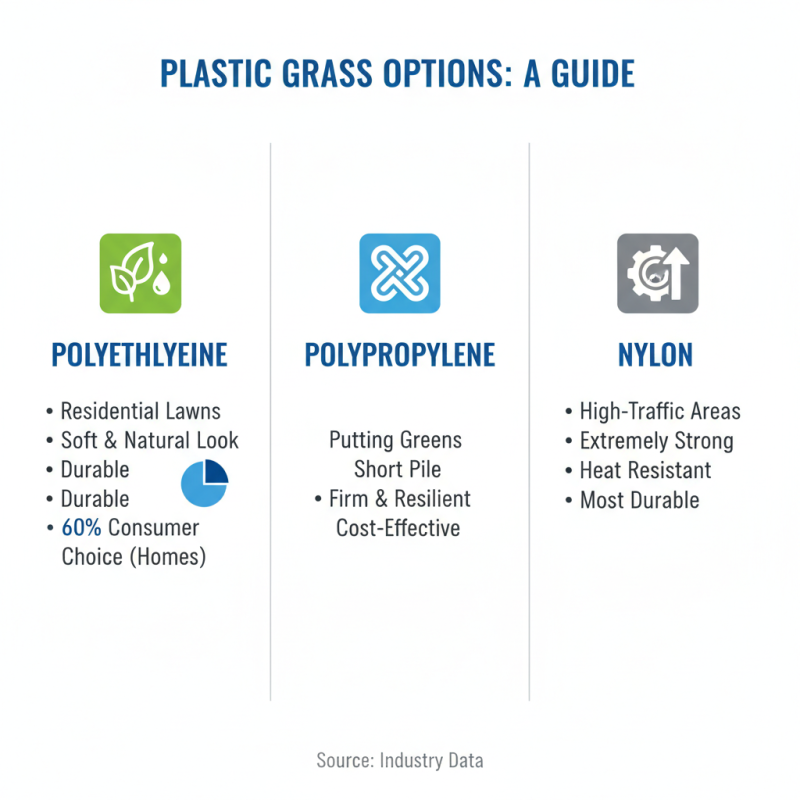
When selecting plastic grass, understanding the variety of options available is crucial. The market offers three primary types: polyethylene, polypropylene, and nylon. Each material has distinct characteristics and applications. Polyethylene is popular for its durability and natural appearance, making it ideal for residential lawns. Data from industry experts indicate that nearly 60% of consumers prefer this option for their homes due to its softer texture.
On the other hand, polypropylene is a more cost-effective choice. It holds up well against UV exposure but may not be as resilient for heavy foot traffic. Reports suggest that this type is suitable for temporary installations, where budget constraints make it appealing. However, it wears out faster than its counterparts, raising questions about long-term value.
Nylon, while the most durable, is often seen as excessive for typical lawn usage. Its high cost makes it less accessible to many homeowners. It’s ideal for sports fields and high-traffic areas. However, spending significantly more on a durable option must be considered carefully. Many buyers overlook this point. Your choice should reflect both your lifestyle and budget. Understanding these materials can lead to better decisions.
Evaluating the Quality and Durability of Synthetic Turf Materials
When selecting synthetic turf, evaluating material quality is crucial. Look for products that feature high UV resistance to prevent fading. Good turf can last for years, while cheaper options may wear out quickly. Check the grass blades too. They should feel soft yet durable, mimicking natural grass' appearance and texture.
Tips for assessing durability: Inspect the backing material. Strong, well-constructed backing helps the turf withstand weather elements. Also, consider the infill used. A good infill adds support and drainage, enhancing overall performance. If possible, visit installations to see how different types wear over time.
Remember, price doesn't always dictate quality. Some lower-cost options might surprise you. Just trust your instincts. If something feels off, it probably is. Keep maintenance in mind as well. A high-maintenance product could be a headache. Ultimately, you want a lawn that enhances your space and requires little effort to maintain.
Assessing Cost-Effectiveness: Price Versus Long-Term Benefits
When selecting plastic grass for your lawn, it's vital to assess the long-term benefits against the initial cost. Many people focus solely on the price tag without considering maintenance savings and durability. High-quality plastic grass can resist wear and tear better, ultimately saving you money over time. Cheaper options may require frequent replacement or repairs, leading to higher long-term costs.
Installation also plays a role in cost-effectiveness. Some lower-priced products may seem appealing but could lead to additional expenses. If the grass is not installed correctly, it might become uneven or damaged quickly. Look for products that come with good warranties. A reliable warranty often indicates that the manufacturer stands behind their product's quality.
Consider the environmental impact too. Some plastic grasses are made from recycled materials, which can contribute to sustainable living. However, cheaper alternatives might not be recyclable and could lead to waste issues down the line. It's important to balance the initial savings with broader implications. Evaluating the long-term benefits of quality versus the upfront costs is crucial for making a wise investment in your lawn.
Cost-Effectiveness of Plastic Grass Over Time
This bar chart illustrates the cost-effectiveness of investing in plastic grass for your lawn, comparing initial cost, annual maintenance, lifespan, and the total cost over a decade. Understanding these factors can help you make an informed decision.
Considering Safety and Environmental Impact of Plastic Grass Options
When considering plastic grass for your lawn, the safety and environmental impact are paramount. Many plastic grasses are made from synthetic materials, often containing chemicals. These chemicals can leach into the soil and water, raising concerns for local ecosystems.
It’s essential to research the materials used in the production of artificial turf. Look for options that utilize recycled materials and meet safety standards.
Another point to reflect on is the heat retention of plastic grass. On sunny days, these surfaces can become extremely hot. This can pose risks for pets and children who may play on them.
If safety is your top priority, consider the location and the climate in your area. Some products offer cooling technology that can help mitigate this issue.
Lastly, think about the long-term environmental impact. While plastic grass requires less water than natural grass, it isn’t entirely maintenance-free. Regular cleaning may be needed to remove debris and minimize odors.
The disposal of artificial grass at the end of its life also presents a challenge. What happens to it after its use? Evaluating these factors is essential for making an informed choice.
Maintenance Tips for Keeping Your Plastic Lawn Looking Great
Maintaining a plastic lawn requires regular attention. Dust and debris can accumulate quickly. A simple weekly sweep will help keep your lawn looking clean and tidy. You can also use a leaf blower for larger areas. It's important to inspect your lawn for any signs of wear or damage. If you notice any issues, addressing them early will prolong its life.
Washing your plastic grass every few months is essential. Use a mild detergent and warm water for best results. Scrub with a soft brush to remove stubborn stains. Rinse thoroughly afterwards. It's easy to overlook small spots, but they can turn into bigger problems. Pay attention to the edges, where dirt tends to build up.
Occasional fluffing of the blades helps maintain its appearance. This can be done using a stiff broom or rake. It’s simple but effective. While plastic grass needs less maintenance than natural grass, it’s not completely care-free. Regular upkeep ensures your lawn stays vibrant and inviting. Keeping to a schedule might seem tedious, but the reward is worth the effort.