What is Green Artificial Grass and Its Benefits for Your Lawn
The growing trend of sustainability has led to an increased interest in alternative landscaping options, particularly when it comes to lawns. One of the most promising solutions is "Green Artificial Grass," which offers a multitude of benefits for homeowners and the environment alike. According to a report by the Synthetic Turf Council, the artificial turf market is projected to reach $5.8 billion by 2026, driven by the need for water conservation, low maintenance, and environmental sustainability. With an estimated 30-50% of residential water use dedicated to maintaining natural grass lawns, the adoption of green artificial grass can significantly reduce water consumption, aligning with global efforts to combat water scarcity.
In addition to water conservation, green artificial grass provides a durable and aesthetically pleasing alternative to traditional grass. Research from the Environmental Protection Agency indicates that synthetic turf fields can last up to 15 years or more, depending on usage and maintenance, significantly extending the lifespan of outdoor spaces. Furthermore, modern green artificial grass products are designed with advanced technology that aids in temperature regulation and infill materials that promote user safety. As homeowners seek eco-friendly and practical solutions for their lawns, the benefits of green artificial grass make it a compelling choice for sustainable landscaping.
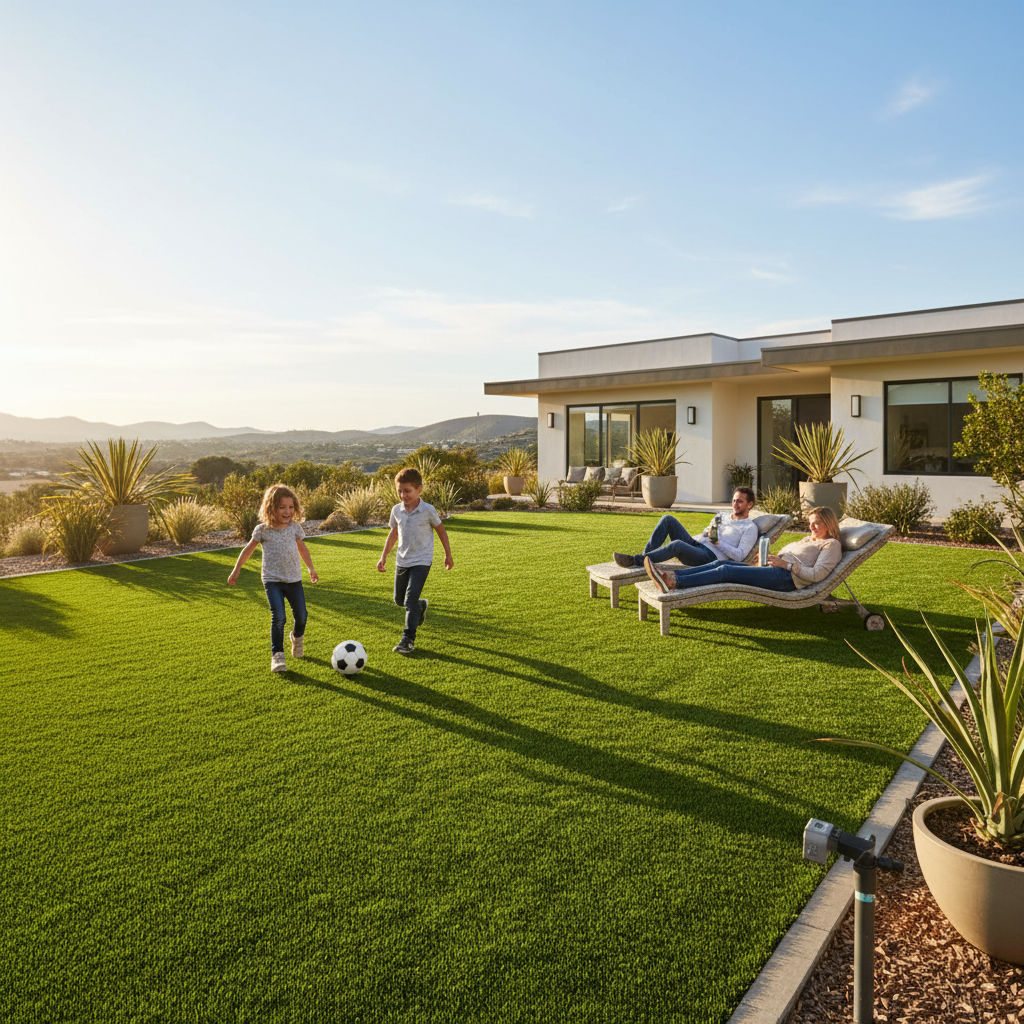
What is Green Artificial Grass?
Green artificial grass, often referred to as synthetic turf,
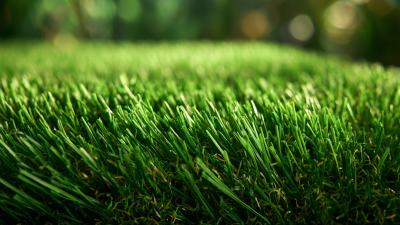
is a man-made surface designed to mimic the appearance and feel of natural grass. It is composed of a variety of materials,
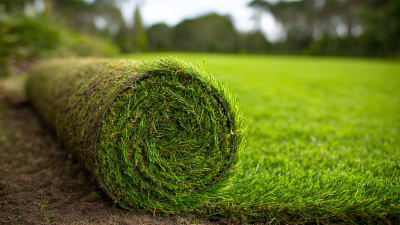
including polyethylene or polypropylene fibers, which are tufted or knitted into a backing. The end result is a durable,
low-maintenance lawn alternative that retains its vibrant green color year-round, regardless of weather conditions.
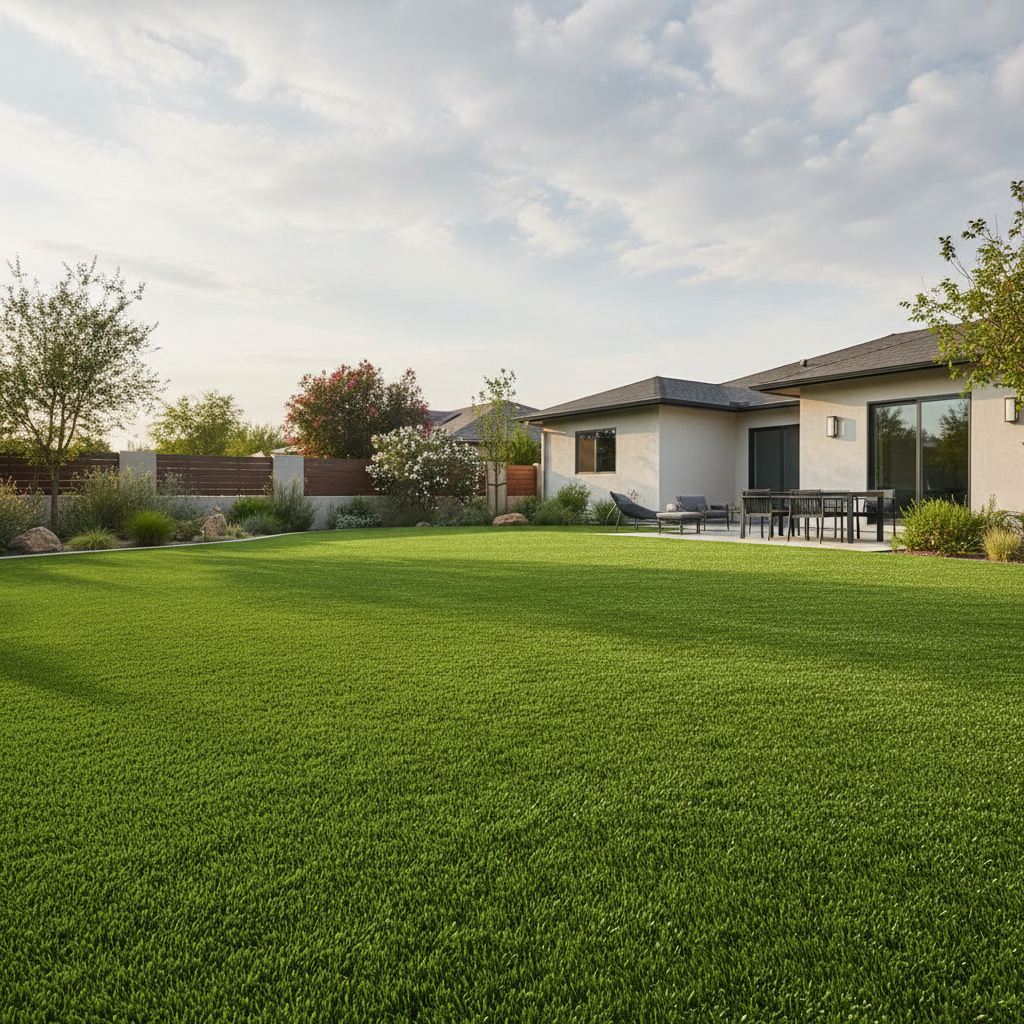
Homeowners increasingly opt for artificial grass to achieve the lush look of a traditional lawn without the considerable upkeep.
Tips for selecting the right green artificial grass include assessing your specific needs, such as foot traffic and intended use.
For high-traffic areas, look for options with a higher pile density and durability. Additionally, consider choosing a product with
UV protection to prevent fading from the sun.
Regular maintenance, such as brushings and rinsing, can help maintain its appearance and longevity.
When installing green artificial grass, ensure a proper base is laid down for drainage and longevity.
Using a geotextile fabric can help prevent weeds from growing through, while also allowing water to pass through easily.
This setup not only improves aesthetics but enhances functionality, making your lawn not just beautiful, but practical as well.
The Composition and Types of Artificial Grass
When exploring the world of artificial grass, it's essential to understand its composition and types. Most green artificial grass is primarily made of polyethylene, which mimics the look and feel of natural grass while being durable enough to withstand various weather conditions. According to a report by the Synthetic Turf Council, approximately 70% of artificial grass products use this material. Additionally, some products also incorporate polypropylene and nylon, which offer enhanced resilience and longevity, making them suitable for high-traffic areas.
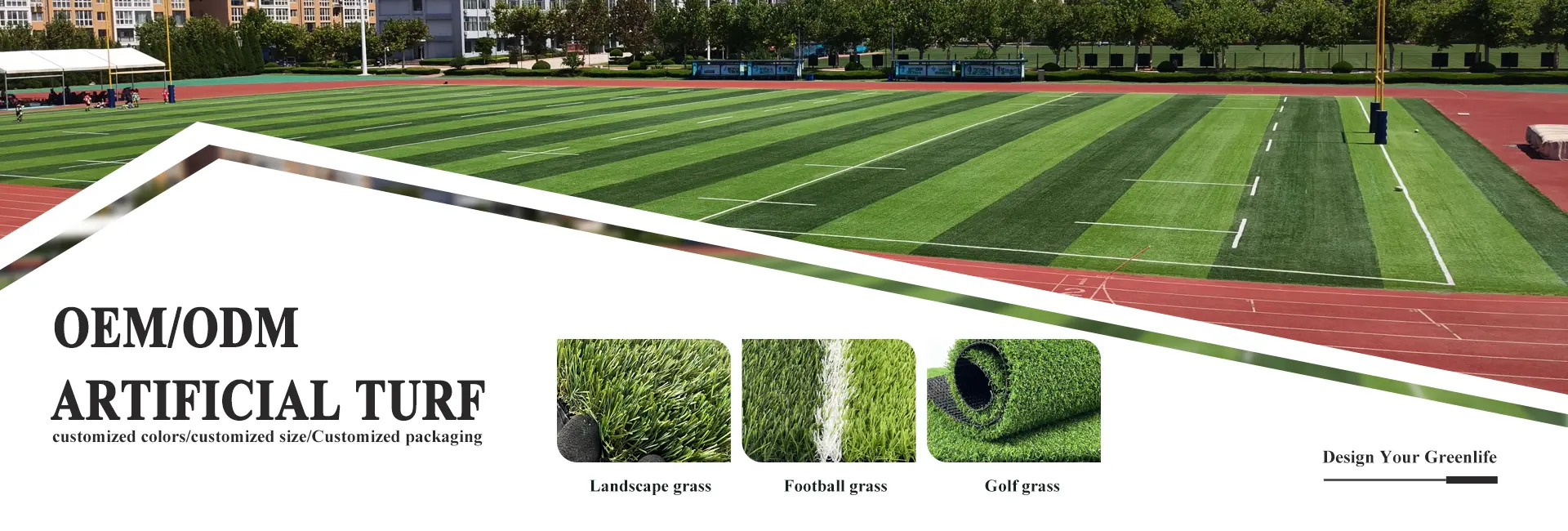
There are several types of artificial grass to choose from, each designed for specific applications. For instance, landscape grass is ideal for residential lawns, while sports turf is engineered for athletic fields, providing optimal performance and safety. In fact, the National Association of Landscape Professionals highlights that the residential market for artificial grass has seen a consistent growth rate of 10% annually, showcasing its increasing popularity.
**Tips:** When selecting artificial grass, consider the purpose and traffic level of your lawn. For homes with pets, look for grass with antimicrobial properties to minimize odors. Additionally, always verify the infill material, as options like crumb rubber or organic materials can influence both performance and environmental impact.
What is Green Artificial Grass and Its Benefits for Your Lawn
| Type of Artificial Grass |
Composition |
Benefits |
| Nylon Grass |
Nylon fibers, UV stabilizers |
Durable, resistant to wear and tear |
| Polypropylene Grass |
Polypropylene fibers |
Cost-effective, lightweight |
| Polyethylene Grass |
Polyethylene fibers |
Soft, realistic appearance, good for residential lawns |
| Hybrid Grass |
Combination of natural and synthetic fibers |
Natural look and feel, increased durability |
Advantages of Using Green Artificial Grass for Lawns
Green artificial grass has gained popularity among homeowners seeking to maintain a lush, green lawn without the challenges of natural grass. One of the primary advantages is its low maintenance requirement. According to the Synthetic Turf Council, homeowners can save up to 55 gallons of water per square foot annually by switching to artificial grass, making it an eco-friendly choice for water conservation.
Moreover, green artificial grass provides a consistent appearance throughout the year, irrespective of weather conditions. Natural lawns are often plagued by issues such as brown patches, pests, and seasonal changes. However, synthetic turf remains resilient, enabling homeowners to enjoy a pristine yard that enhances property value. A report from Grand View Research indicates that the global artificial turf market is expected to reach around $5.4 billion by 2025, reflecting the growing preference for synthetic options in residential landscaping.
Another significant benefit is safety. Many artificial grass products are designed with non-toxic materials and meet safety standards, making them a safe play area for children and pets. According to a study by the American Sports Builders Association, artificial turf reduces the risk of injuries commonly associated with natural grass, making it an ideal choice for both residential and commercial applications.
Environmental Benefits of Green Artificial Grass
Green artificial grass offers numerous environmental benefits that make it an attractive option for homeowners looking to enhance their lawns without compromising ecological integrity. Unlike natural grass, synthetic turf requires no watering, which significantly conserves water resources, especially in arid regions prone to drought. This lack of water usage not only helps to reduce the strain on local water supplies but also lowers the energy costs associated with irrigating traditional lawns.
Additionally, green artificial grass eliminates the need for chemical fertilizers and pesticides. These substances can leach into the soil and waterways, causing pollution and harming local ecosystems. By opting for artificial grass, homeowners can create a safe and clean environment for pets and children, while also promoting biodiversity in their vicinity. Furthermore, synthetic turf often incorporates recycled materials, which helps to reduce waste and minimize the carbon footprint associated with lawn maintenance. Overall, green artificial grass stands out as a sustainable choice that aligns with eco-friendly practices while enhancing the aesthetic appeal of outdoor spaces.
Environmental Benefits of Green Artificial Grass
Maintenance and Care for Artificial Grass Lawns
Maintaining artificial grass lawns requires specific care strategies, especially during seasonal changes. As temperatures drop, owners of synthetic turf should be aware of the potential impact of cold weather on their lawns. Experts recommend removing debris and leaves promptly, as accumulation can lead to mold and discoloration.
Additionally, using specialized maintenance tools can enhance the longevity of artificial grass, with innovations such as battery-powered brooms and enzyme cleaners now available on the market.
To keep an artificial lawn looking pristine, regular brushing and cleaning are essential. Engaging in bi-weekly maintenance not only improves aesthetics but also helps mitigate common issues like matting and compaction of the turf fibers. Notably, professionals emphasize that a well-cared-for artificial lawn reduces the need for fertilizers and herbicides, making it an environmentally friendly choice.
Reports indicate that regular upkeep can significantly extend the lifespan of artificial grass, ensuring that homeowners can enjoy a lush, green appearance for years to come.