What is Football Artificial Grass and How is it Used?
Football Artificial Grass is revolutionizing the way we experience the beautiful game. Renowned expert Dr. Jonathan Miles, a leader in the sports surface industry, says, "Football Artificial Grass levels the playing field for all athletes." This innovative material is crafted to mimic natural grass, providing durability and consistent performance.
The benefits are clear. Football Artificial Grass is designed to withstand various weather conditions, ensuring that matches go on without the worry of muddy fields. However, like any solution, it raises questions. Is it as safe for players as natural grass? Players may develop different skills on artificial surfaces.
Many teams now choose Football Artificial Grass for training and matches. Coaches appreciate the maintenance ease, but some players note a distinct feel compared to natural turf. Balancing performance and safety is crucial as the industry grows. As we explore the intricacies of Football Artificial Grass, we must consider both its advantages and its limitations.
What is Football Artificial Grass? An Overview
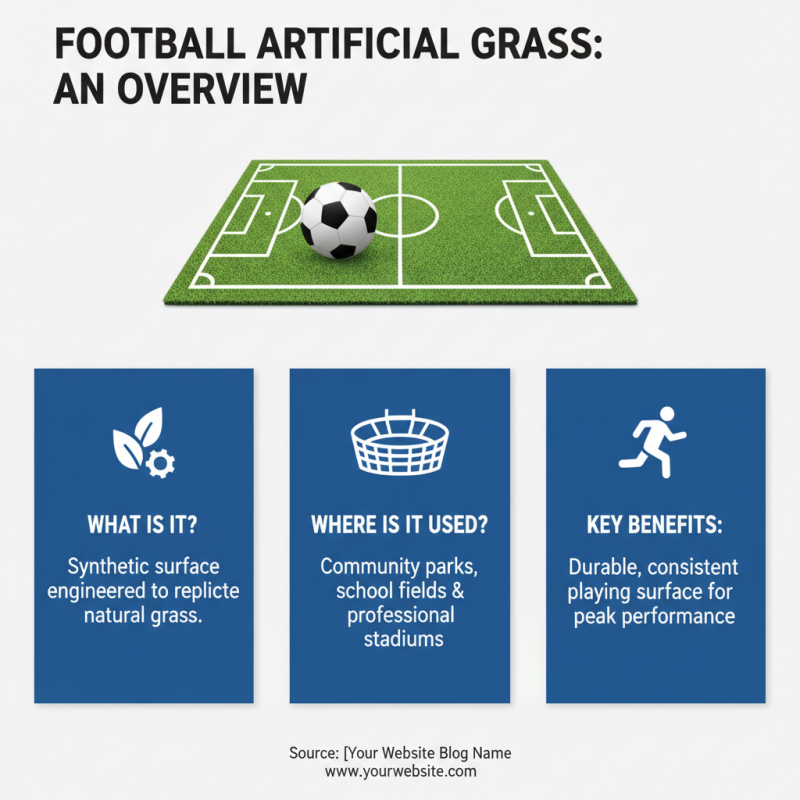
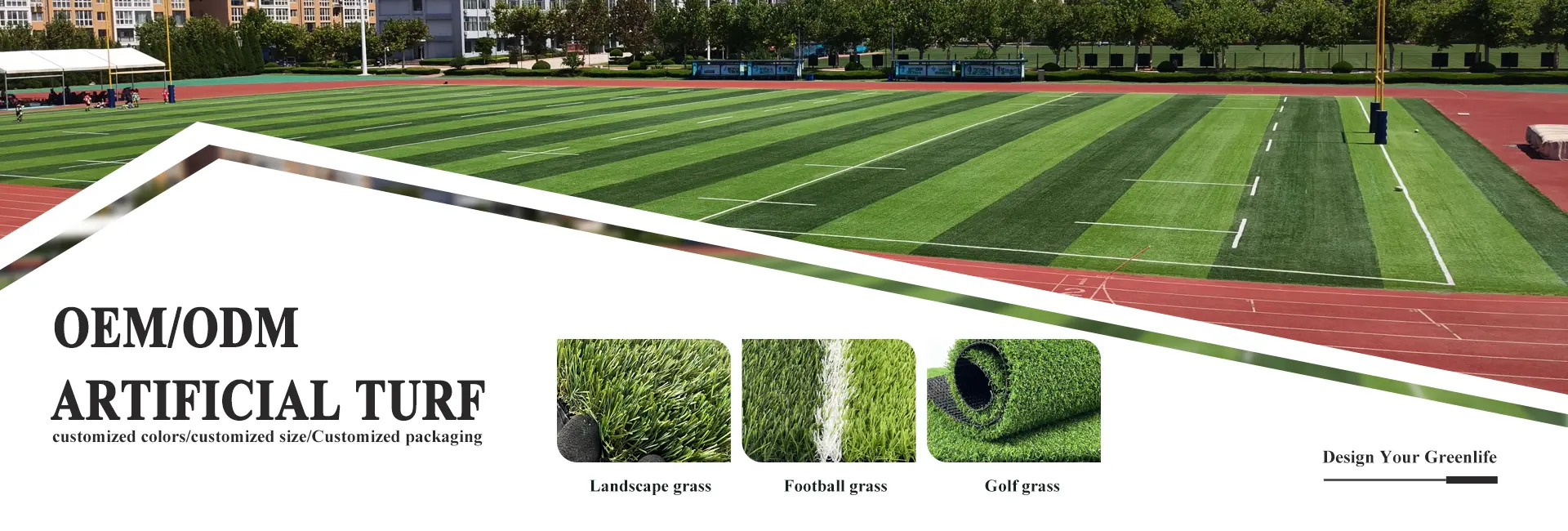
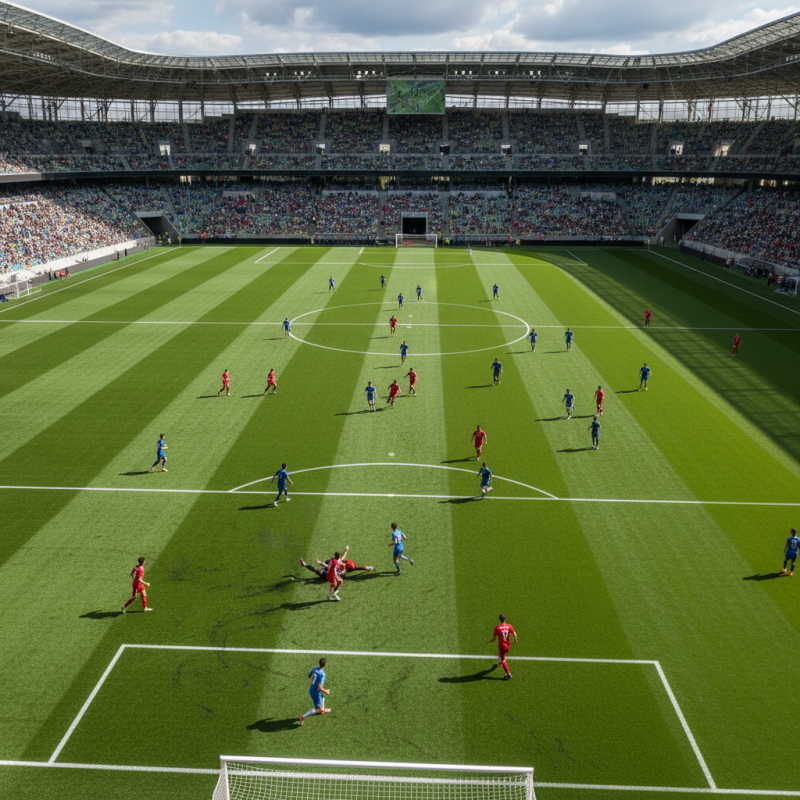
Football artificial grass is a synthetic surface designed to mimic natural grass. It is commonly used in various football fields, from community parks to professional stadiums. This grass provides a durable and consistent playing surface, enabling athletes to perform at their best.
One major advantage of artificial grass is its low maintenance requirements. Unlike natural grass, it does not need watering, mowing, or fertilization. This is particularly beneficial in regions with extreme weather conditions. However, the initial installation cost can be high, requiring careful planning and budgeting. Additionally, while it offers great durability, some players feel it lacks the same feel as real grass.
Another aspect to consider is its environmental impact. While synthetic fields can reduce water usage, they may not decompose like natural grass. Awareness of these factors can guide facility managers and players in their choices. Understanding the balance between performance, maintenance, and environmental responsibility is vital for making informed decisions about football artificial grass.
Historical Evolution of Artificial Grass for Football
The historical evolution of artificial grass for football is fascinating. It began in the 1960s as a solution for all-weather play. The first notable installation was at the Astrodome in Houston, Texas. This synthetic fiber allowed games to continue rain or shine. Yet, it had a stiff and harsh feel, often leading to player injuries. This raised questions about its safety and effectiveness.
Throughout the following decades, advancements made artificial grass more player-friendly. Innovations introduced softer fibers and improved drainage systems. By the 1990s, manufacturers began to mimic natural grass textures. Realistic appearances became essential for gaining acceptance. However, some purists still preferred real grass. The debate between synthetic and natural playing surfaces continues.
In recent years, artificial grass has seen even more enhancements. New technologies help with shock absorption and traction. Players now enjoy a safer experience on these fields. Yet, issues like heat retention and environmental impact remain concerns. The journey of artificial grass in football shows progress but also highlights areas for improvement.
What is Football Artificial Grass and How is it Used? - Historical Evolution of Artificial Grass for Football
| Year |
Development |
Material |
Features |
Usage |
| 1960s |
Initial Development |
Nylon |
Durable but hard surface |
Used in limited stadiums |
| 1980s |
Improvement in Technology |
Polyethylene |
More comfortable and resilient |
Adopted by several clubs |
| 2000s |
Widespread Adoption |
New Generation Synthetic |
Realistic look and feel |
Used for training and matches |
| 2010s |
Technological Advancements |
Eco-friendly Materials |
Sustainable and safe |
Utilized in various leagues |
| 2020s |
Integration with Technology |
Advanced Fibers |
Improved durability and traction |
Becoming the norm for pitches |
Key Materials and Technologies in Football Artificial Turf
Football artificial grass has revolutionized the way we play the game. The key materials in its construction are polyethylene, polypropylene, and nylon. Each material offers unique qualities. For instance, polyethylene is known for its softness and resilience. A study by the International Society of Sports Nutrition highlighted that artificial turf can mimic natural grass while providing increased durability.
Advanced technologies like infill systems play a crucial role. Typically, these include rubber granules and sand. They improve shock absorption and reduce injury risks. According to research from the FIFA Quality Programme, well-maintained artificial turf can sustain high-performance matches for many years. However, improper maintenance can lead to reduced lifespan and safety issues.
When selecting artificial grass, consider its thickness. A denser weave enhances durability. Look for certificates that ensure quality standards. Be aware that not all turf behaves the same under extreme weather. Hot temperatures can lead to surface deformation. Regular inspections and appropriate cleaning can help mitigate this risk.
Tip: Regular maintenance is vital to prolong the life of your artificial turf. Clean the surface regularly and address any damage promptly. This keeps it safe and functional for players.
Performance Benefits and Limitations of Artificial Grass
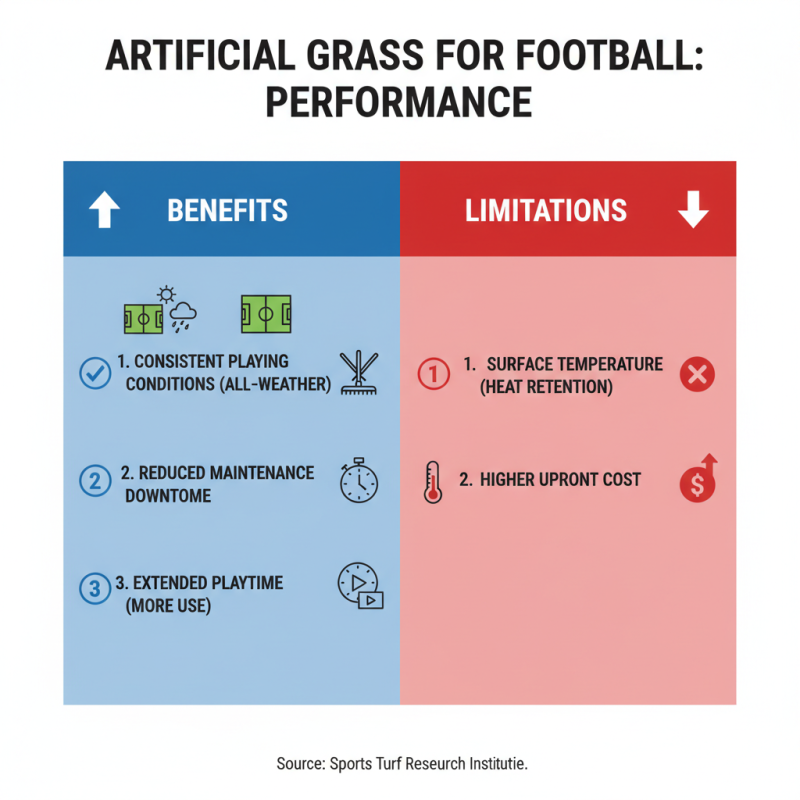
Artificial grass for football has gained popularity due to its unique performance benefits. It provides consistent playing conditions, crucial for both amateurs and professionals. According to the Sports Turf Research Institute, artificial pitches can withstand varying weather conditions, maintaining a reliable surface throughout the year. This means less downtime for maintenance and more playtime, which is vital for clubs and schools.
However, there are limitations. Studies show that artificial grass can be significantly warmer than natural grass, particularly under direct sunlight. Players may experience increased body temperatures, which could lead to heat stress. It's essential for coaches and players to monitor hydration closely on hot days. Also, while durable, artificial surfaces can sometimes lead to an increased risk of certain injuries, like ankle sprains or concussions, due to their rigid structure.
**Tip:** When transitioning to artificial grass, consider the installation quality. A poorly laid surface can create uneven areas that may increase injury risks. Regular inspections can help identify wear and tear, ensuring the safety and performance of the pitch. Remember, while artificial grass offers many advantages, its impact on player health must not be overlooked.
Industry Standards and Certifications for Football Turf Systems
When discussing the industry standards for football artificial grass, a few key insights emerge. Organizations like the FIFA and the International Federation of Football Associations set guidelines for turf systems. They focus on safety, performance, and durability. These standards ensure that the surfaces meet the needs of athletes while minimizing injury risks.
According to a 2022 report by the Synthetic Turf Council, over 60% of new football fields installed worldwide adhere to these recognized standards. These systems undergo rigorous testing for shock absorption, traction, and overall playability. The reliable performance of these surfaces keeps players in the game longer and reduces wear on natural grass fields.
However, there are areas for improvement. Some synthetic turf systems still face criticism regarding their environmental impact and long-term sustainability. The material used in some installations may not degrade easily. This raises concerns about the ecological footprint of artificial grass. Ongoing research aims to address these issues and improve the lifecycle of football turf systems.