How to Create a Stunning Green Wall at Home?
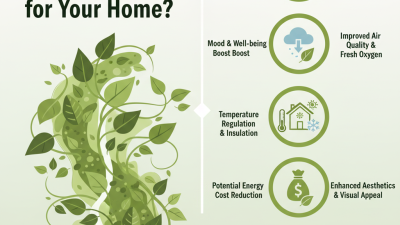
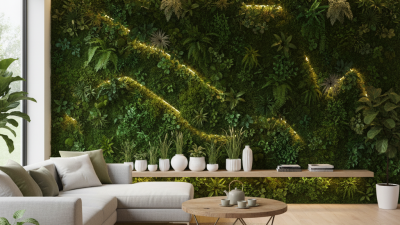
Creating a stunning Green Wall at home can transform any space. According to renowned landscape architect Emma Green, "A Green Wall is a living artwork that breathes life into our surroundings." This concept is not just about aesthetics; it offers benefits like improved air quality and enhanced well-being.
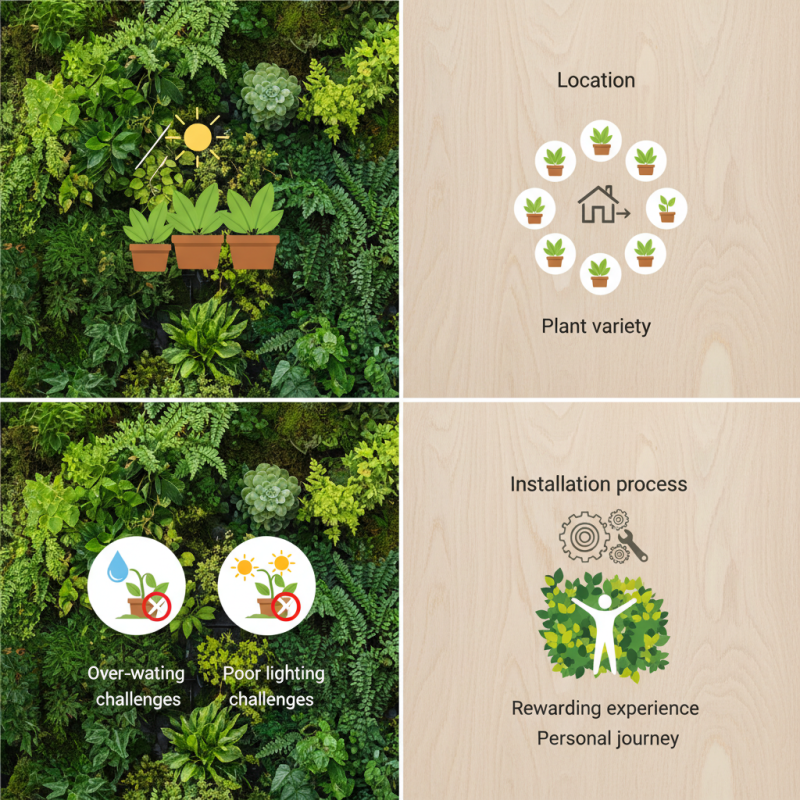
To start, you need to choose the right location. A well-lit area is ideal for a thriving Green Wall. Consider using a variety of plants for texture and color. However, maintaining these plants can be challenging. Over-watering or poor lighting can lead to less desirable outcomes.
Additionally, don't overlook the installation process. It can be complex and may require professional help. Some beginners might face difficulties with plant selection or maintenance routines. Embrace these challenges, as they can lead to a more rewarding experience. A Green Wall represents both a personal journey and a beautiful addition to your home.
Choosing the Right Location for Your Green Wall Installation
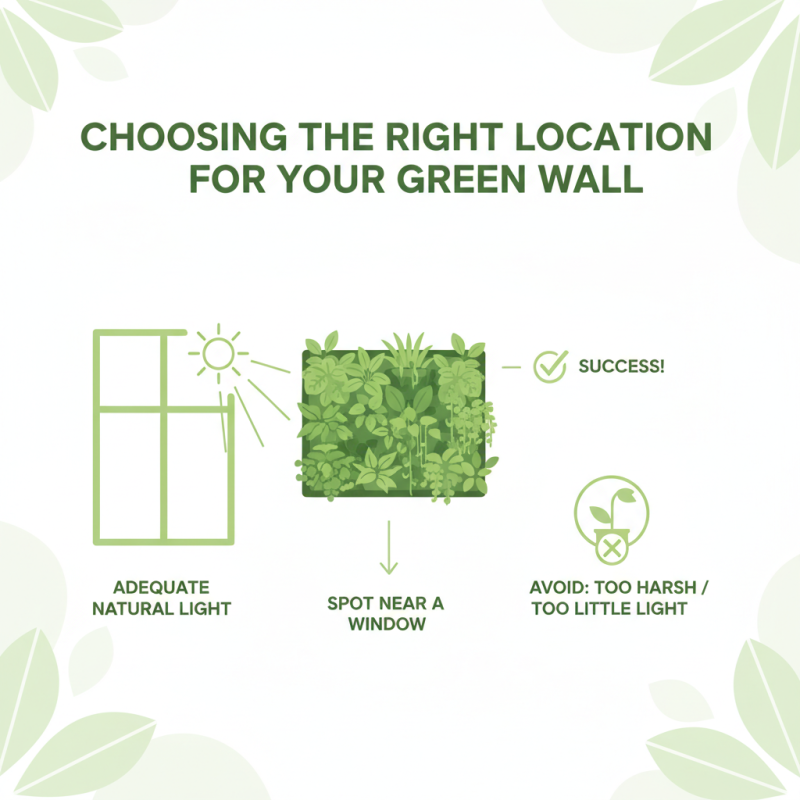
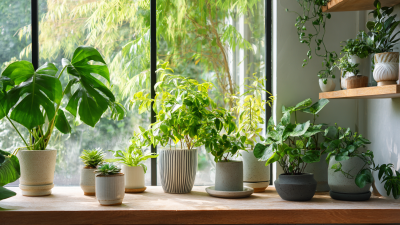
Choosing the right location for your green wall installation is crucial for its success. Ideally, it should be positioned where it can receive adequate natural light. A spot near a window can provide the necessary sunlight without being too harsh.
**Tips:** Consider the wall's orientation. South-facing walls get the most sun, while north-facing ones are shadier.
It’s also important to think about the humidity levels in the chosen location. If your space is too dry, it may not support the plants’ needs. A poorly chosen spot can lead to wilting or diseases.
**Tips:** Use a hygrometer to measure humidity. This can guide your plant selection process.
Lastly, assess the wall's structure. Ensure it's strong enough to support your green wall system and its plants. Crumbling walls or uneven surfaces might cause problems later on. Reflect on these factors before committing to a location.
Selecting the Appropriate Plants for Your Green Wall Design
When creating a green wall, selecting the right plants is crucial. Studies reveal that indoor plants, like snake plants and pothos, improve air quality by filtering toxins. About 87% of homeowners desire greenery indoors, making plant choice a significant factor. Consider light levels in your space. Some plants thrive in bright light, while others prefer shade.
Diversity plays a critical role in design. Mixing textures and colors creates visual interest. For instance, ferns add softness, while succulents provide a modern touch. According to a report by the American Society of Landscape Architects, diverse plantings can also lead to a more resilient ecosystem. It’s essential to reflect on plant maintenance too, as some may require more attention than expected.
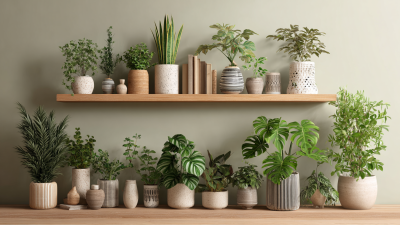
Plant selection might not always be straightforward. Choosing species that struggle in certain environments can lead to disappointment. For example, tropical plants may languish in dry conditions. A balance between aesthetics and practicality is vital. Create a vibrant green wall, but ensure you choose plants that fit your lifestyle and environment.
Popular Plants for Green Walls
Understanding the Structural Requirements and Support Systems
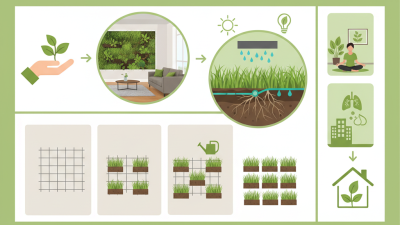
Creating a green wall at home can transform any space. However, proper structural requirements and support systems are essential. Begin by assessing your wall. Is it strong enough to hold the weight of plants and soil? Consider the materials you choose for your framework. Wood, metal, or even a combination may work. The supports need to be durable and resilient against moisture.
Next, think about drainage. Water needs to flow freely, preventing root rot. Adequate drainage holes in planters or a built-in system can help. Perhaps, use a lightweight soil mixture to minimize the overall weight. Sometimes, choosing plants that thrive in your home’s light conditions can be tricky. Not every plant will flourish in the same environment, so research is vital.
Finally, installing brackets or a trellis can assist in supporting climbers. Inspect these structures regularly for wear. The aesthetics may be important, but functionality cannot be ignored. Balancing beauty with practicality may require adjustments. Consider how your green wall evolves over time. A stunning green wall takes thought and care, but imperfections can lead to creative solutions.
Maintaining Your Green Wall: Best Practices for Longevity and Health
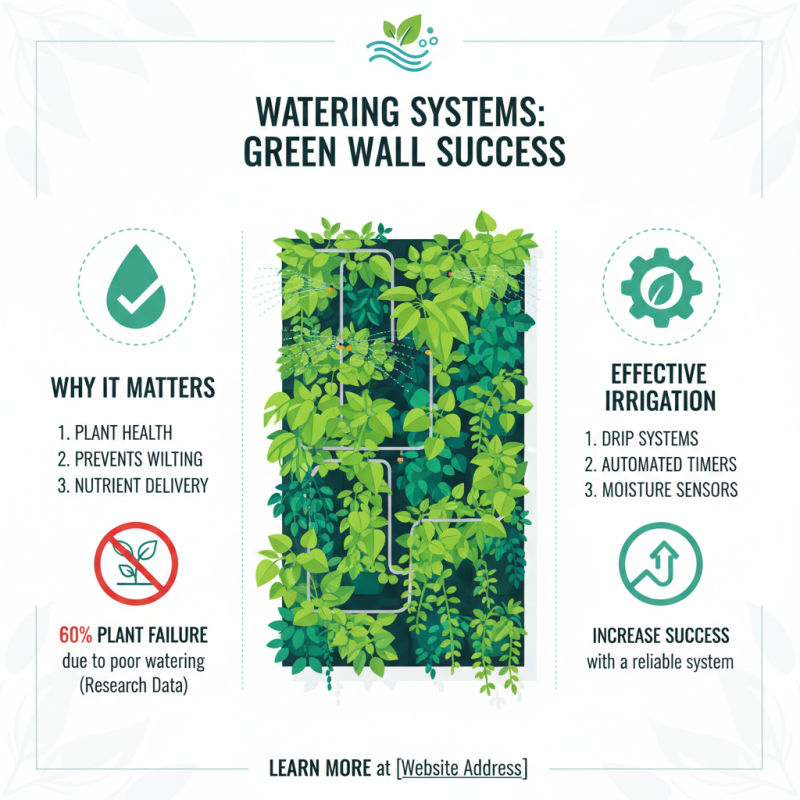
Maintaining a green wall requires consistent attention and care. Regular watering is essential; plants in vertical gardens often dry out quickly. Aim to check moisture levels weekly. Overwatering can also be a problem, leading to root rot. Be cautious and adjust your routine based on the season.
Light is crucial for plant health. Make sure your green wall gets adequate sunlight. If it’s too dark, plants may not thrive. On the other hand, too much direct sunlight can scorch leaves. Finding the right balance might take some time to figure out.
Fertilizing is another key practice. Use a balanced fertilizer every few months to nourish your plants. Too much can damage delicate roots. Varied plant species may require different nutrients, which complicates things further. Observing plant health will help identify their needs. It’s a learning process, and mistakes can happen, but that’s part of the journey.