How to Create an Indoor Living Wall for Your Home?
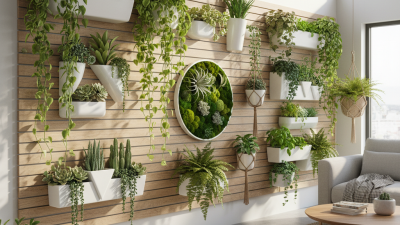
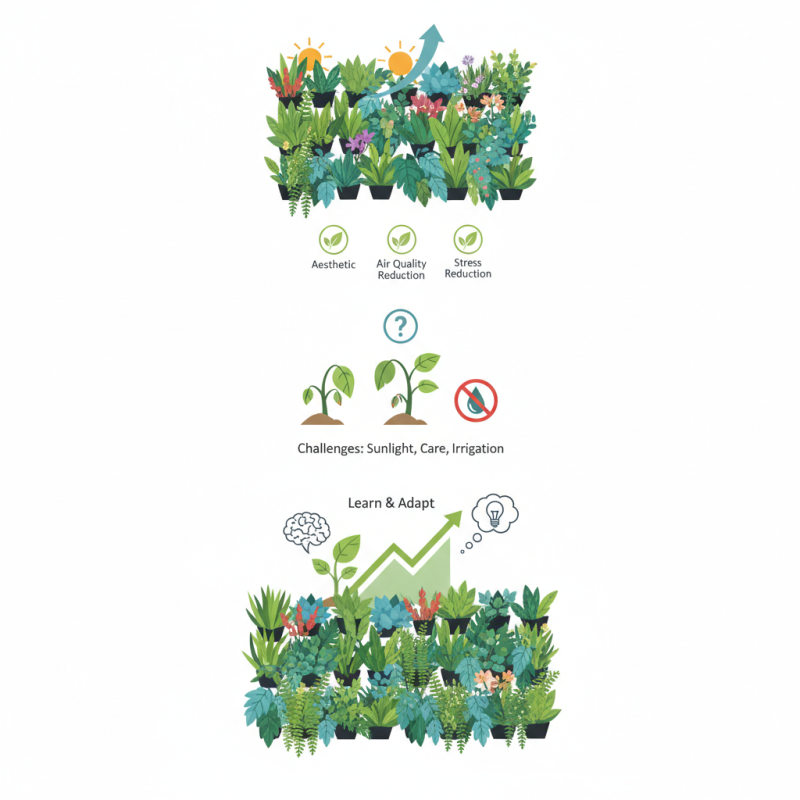
Creating an Indoor Living Wall can transform your home. This unique design offers numerous benefits, both aesthetic and practical. According to a report by the National Gardening Association, 35% of households now incorporate plants indoors. These living walls are not just decor; they improve air quality and reduce stress levels.
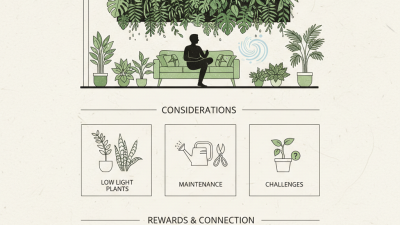
Indoor Living Walls can be challenging to construct. It's crucial to select the right plants. Some may require more sunlight than available. Improper care can lead to disease or stunted growth, causing disappointment in your green endeavor. Additionally, ensuring proper irrigation can be tricky. An expertly planned system is vital for success.
People are increasingly drawn to biophilic design. A study from the Journal of Environmental Psychology shows that greenery boosts productivity by 15%. However, not all attempts at creating an Indoor Living Wall succeed. You might find that your initial plant choices were not ideal. Reflecting on these aspects is part of the journey. Embrace learning from mistakes to truly enjoy this living art form in your home.
Choosing the Right Location for Your Indoor Living Wall
Choosing the right location for your indoor living wall is crucial. It can decide the success of your green space. Look for a wall that gets enough natural light. A south-facing wall is ideal, but east and west can work too. Bright, indirect sunlight is best for most plants.
Consider the humidity in the room. If the area is dry, it might not support your plants well. A bathroom or kitchen with higher humidity can enhance growth. Also, think about the temperature variations. Avoid areas near heaters or air conditioning vents. These extremes can stress plants.
Proximity to water access is important. Make sure you can easily water the wall. It’s easier than dragging a hose across the room. Keep accessibility in mind. Would you want to prune or replace plants? A location that allows for easy maintenance will encourage you to keep your wall healthy.
Selecting Suitable Plants for Your Indoor Living Wall
When creating an indoor living wall, selecting suitable plants is crucial. Start with the fundamentals. Choose plants that thrive in low light if your wall is in a shaded area. Ferns, pothos, and spider plants are great candidates. They are hardy and forgiving for beginners.
Consider plant sizes. A mix of small and tall plants creates visual interest. Compact plants can fill gaps, while taller ones add height. Pay attention to colors and textures. Variegated leaves can brighten the wall, while different shapes create dimension. But remember, maintenance will vary. Some plants may need more water or light than others.
Assess the wall's environment. Are there drafts or humidity? Some plants may struggle in extreme conditions. Regularly check for signs of stress, like drooping leaves. Over time, you might want to rearrange your plants. This tweaking process enhances your living wall's aesthetics and health. Don't get discouraged if plants don’t flourish at first; adjusting factors takes patience and observation.
How to Create an Indoor Living Wall for Your Home? - Selecting Suitable Plants for Your Indoor Living Wall
| Plant Name |
Light Requirements |
Watering Needs |
Growth Habit |
Air Purifying Ability |
| Pothos |
Low to Bright Indirect Light |
Moderate |
Vining |
Yes |
| Snake Plant |
Low to Moderate Light |
Low |
Upright |
Yes |
| Spider Plant |
Bright Indirect Light |
Moderate |
Arching |
Yes |
| Peace Lily |
Low to Moderate Light |
Moderate |
Clumping |
Yes |
| Ferns |
Indirect Light |
High |
Bushy |
Yes |
Designing the Structure and Framework for Your Living Wall
Creating a living wall in your home can enhance aesthetics and improve air quality. To design an effective structure, consider the wall's weight capacity and sunlight exposure. Use sturdy materials to support your plant selection. According to industry reports, living walls can improve indoor air quality by up to 60%. This is crucial in urban settings where pollution can impact health.
**Tip:** When selecting plants, opt for varieties suited to your environment. Some thrive in indirect light while others prefer direct sunlight. Mixing species can create a vibrant look. However, it's vital to ensure they have similar watering needs.
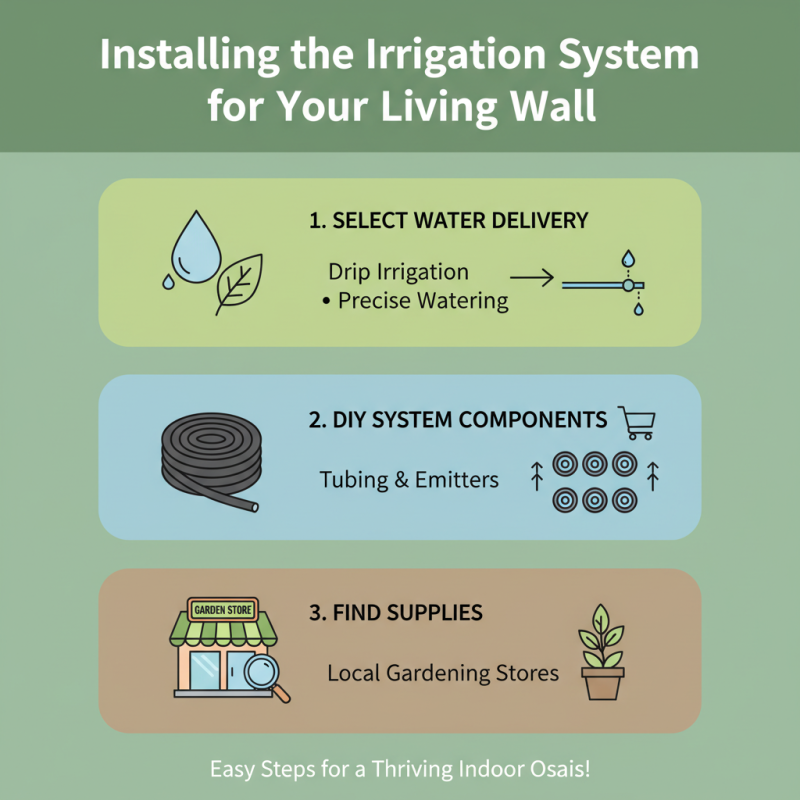
Designing a framework is essential for stability. PVC pipes or wooden frames can hold pots securely. Ensure that the water drainage system is adequately planned. Poor drainage can lead to plant rot and mold growth, making maintenance challenging.
**Tip:** Regularly check plant health and adjust care routines. Sometimes plants may not thrive as expected. This means re-evaluating light conditions or watering schedules is necessary. Building a living wall is a journey of trial and error. Embrace the learning process to create a thriving indoor garden.
Plant Selection for Indoor Living Walls
This bar chart illustrates the ideal growth conditions for various plants suitable for an indoor living wall, rated on a scale of 1 to 10 based on their light level needs.
Maintaining and Caring for Your Indoor Living Wall
Creating an indoor living wall can transform your space into a vibrant oasis. However, maintaining this living installation requires effort and care. Research shows that indoor plants can improve air quality by removing toxins. This means your living wall is not only beautiful but also beneficial to your health.
Watering is crucial. Overwatering can lead to root rot, while underwatering may cause plants to wilt. Aim for a balanced approach. A study found that plants typically require about 1 inch of water per week, but this can vary. Check the soil regularly. Feel the moisture before deciding to water.
Lighting is another key aspect. Many indoor plants thrive in bright, indirect light. However, some plants may require more or less light. Understanding the specific needs of your plants is essential. An inadequate light source can stunt growth or lead to leaf drop. Monitor your plants closely and adjust their placements if needed. Regular pruning and cleaning of leaves help plants stay healthy and improve your wall's overall appearance.