How to Choose the Best Outdoor Artificial Grass for Your Needs?
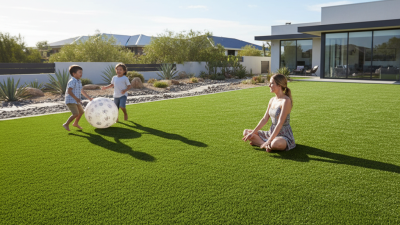
Choosing the right Outdoor Artificial Grass can elevate your outdoor space dramatically. According to expert Laura Kingston, "Selecting the perfect artificial grass requires understanding your specific needs." This highlights the importance of examining different varieties and their suitability for various environments.
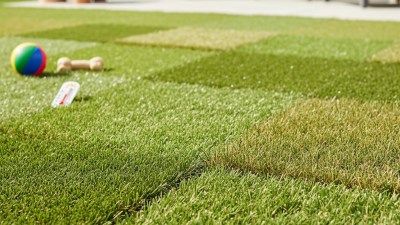
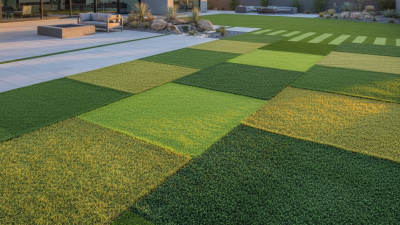
Outdoor Artificial Grass comes in many types. Each type serves a unique purpose. Some are ideal for play areas; others are designed for aesthetic appeal. Factors like pile height, color, and drainage capabilities are critical to consider. Uneven surfaces or heavy foot traffic often require more durable options.
While many products look similar, quality and performance differ greatly. Investing in quality Outdoor Artificial Grass can save money in the long run. However, choosing the lowest-priced option may lead to disappointment. Reflecting on your choice helps ensure it aligns with your vision and requirements.
Understanding the Types of Outdoor Artificial Grass Available
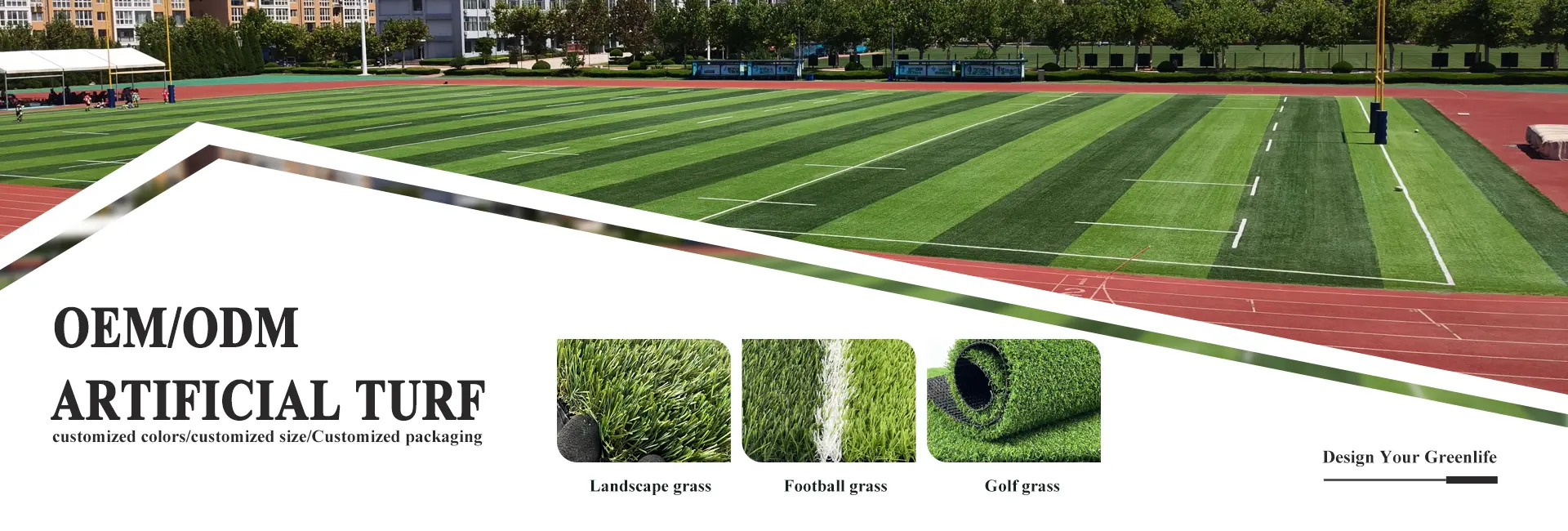
When selecting outdoor artificial grass, consider the different types available. Each type has unique characteristics that cater to specific needs. Nylon grass is known for its durability and resilience. It's ideal for high-traffic areas and remains intact under harsh conditions. Polyester, on the other hand, offers a softer texture and is often chosen for residential lawns due to its aesthetic appeal.
Synthetic turf is generally categorized into three types: nylon, polyethylene, and polypropylene. According to a recent study by the Synthetic Turf Council, polyethylene grass is the most popular choice for landscaping. It provides a natural look and feels similar to real grass. This type is often used in playgrounds and backyards where children play. The UV resistance in quality polyethylene grass helps maintain vibrant color for years.
Accessibility and maintenance should also guide your choice. Some grasses require infill, while others do not. Reports indicate that maintenance levels vary across different types. Infill can enhance stability but may complicate cleaning. As you weigh your options, reflect on your specific environment and usage patterns. Understanding these factors can lead you to make a more informed decision.
How to Choose the Best Outdoor Artificial Grass for Your Needs? - Understanding the Types of Outdoor Artificial Grass Available
| Type of Artificial Grass |
Primary Use |
Durability (Years) |
Fiber Material |
Weight (oz/sq.yd) |
Cost per Sq. Ft. |
| Landscape Grass |
Residential Lawns |
10-15 |
PE (Polyethylene) |
50 |
$2.50 |
| Putting Green Grass |
Golf Courses |
10-20 |
Nylon |
60 |
$3.50 |
| Pet Turf |
Backyards for Pets |
8-12 |
PP (Polypropylene) |
45 |
$2.00 |
| Sports Turf |
Sports Fields |
10-15 |
PE/PP Blends |
70 |
$4.50 |
| Playground Grass |
Play Areas |
8-12 |
PE (Polyethylene) |
50 |
$2.80 |
Key Factors to Consider When Choosing Artificial Grass
When choosing outdoor artificial grass, it's essential to consider several key factors. One significant aspect is the pile height. Grass with a shorter pile can be more durable for high-traffic areas while a taller pile offers a plush appearance. Understanding your specific needs will help you make a better choice.
Another important factor is the material. Various materials have different levels of durability, softness, and UV resistance. Look for options that maintain color and integrity under sunlight. It's also wise to think about drainage capabilities. Poor drainage can lead to muddy patches, especially after rain. Evaluate how water will flow through the grass.
Lastly, consider the installation process. Some products require professional installation, while others are DIY-friendly. Weigh your options carefully to find one that fits your skill level and budget. Reflecting on these aspects can help you avoid costly mistakes and ensure you choose the best artificial grass for your outdoor space.
How to Choose the Best Outdoor Artificial Grass for Your Needs?
Evaluating Durability and Lifespan of Artificial Turf Products
When selecting outdoor artificial grass, evaluating durability and lifespan is crucial. A report by the Synthetic Turf Council indicates that high-quality turf can last between 8 to 15 years with proper maintenance. Factors such as the type of fibers used and UV resistance play a significant role in determining longevity. For instance, polyethylene fibers may offer a softer feel but might wear out faster under heavy foot traffic compared to nylon alternatives.
Installation quality also significantly influences durability. Many homeowners overlook this aspect. Poor installation can lead to premature wear, uneven surfaces, or drainage issues. When looking at options, consider how the turf is tufted and the density of the grass blades. Higher density generally indicates better durability. According to industry standards, a pile height between 30mm to 40mm is optimal for most residential installations, ensuring a balance of aesthetics and resilience.
Additionally, climate conditions can affect the lifespan of artificial grass. In areas with intense sunlight, UV protection becomes a priority. Studies show that inferior UV resistance can lead to a fade in color and texture, impacting both appearance and usability. Even with quality materials, neglecting regular maintenance could lead to a decline in performance and longevity. This complexity requires attentive consideration from buyers to truly understand their needs and make informed choices.
The Importance of Infill Material in Outdoor Artificial Grass
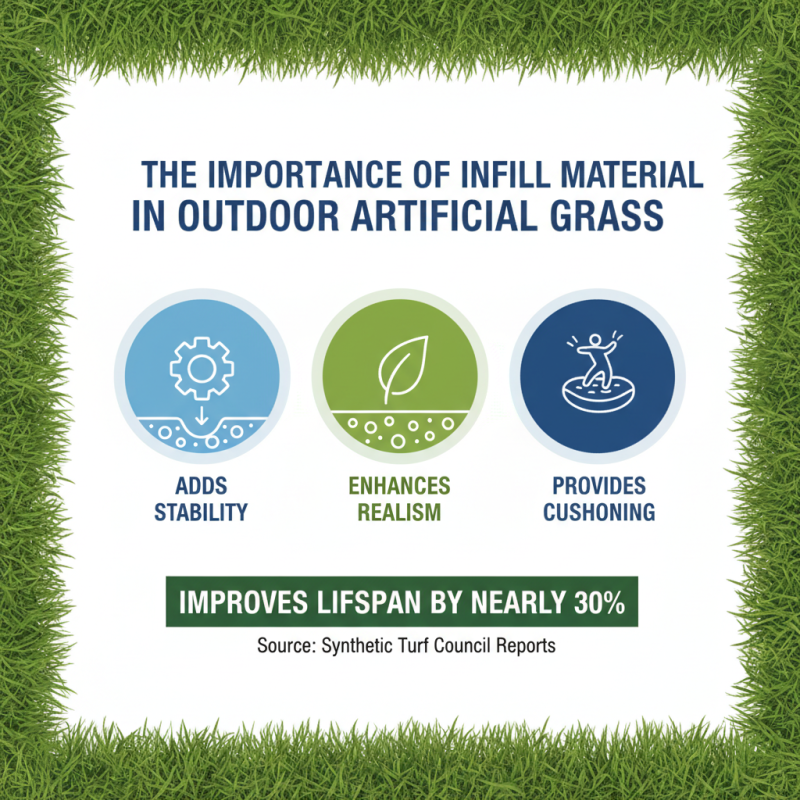
When selecting outdoor artificial grass, infill material is crucial. Infill serves multiple purposes. It adds stability to the grass, enhances realism, and provides cushioning. Reports from the Synthetic Turf Council indicate that proper infill improves the lifespan of artificial grass by nearly 30%.
Choosing the right infill is imperative. For instance, sand provides excellent weight and stability. Rubber infill, however, is softer and comfortable for activities. The preference for infill often varies based on the intended use of the grass. Playgrounds may benefit from softer materials to prevent injuries.
**Tip:** Consider the climate and location when choosing infill. In hot regions, rubber infill can heat up excessively. Always ask about infill options and their environmental impact. Remember, not all materials are created equal. Some infills may break down or lose their effectiveness over time. It’s essential to weigh these factors carefully before making a decision.
Assessing Cost vs. Quality for Long-Term Artificial Grass Use
Choosing the right outdoor artificial grass involves careful consideration of
cost and
quality. While the price may initially seem attractive, lower-quality options can lead to higher lifetime costs. They often fade, wear out, or require replacement sooner than expected. Therefore, weighing the upfront investment against the expected lifespan is crucial.
Quality artificial grass should withstand various weather conditions. It must be durable, with a solid backing and fibers that resist fraying. Look for materials that mimic natural grass closely. The appearance can significantly impact the visual appeal of your outdoor space. However, be prepared for a higher upfront cost for better quality.
Cheaper options may seem appealing, but they could compromise your outdoor aesthetics. They might require more frequent cleaning and maintenance. Reflect on how each choice aligns with your long-term goals. A little extra spent today could result in savings tomorrow. Balancing these factors is essential for making the best choice.