Why Choose Synthetic Turf for Your Lawn and Sports Fields?
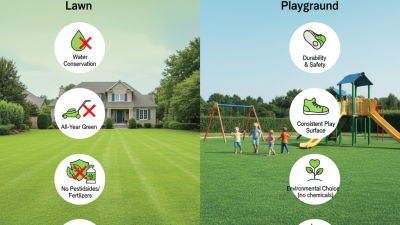
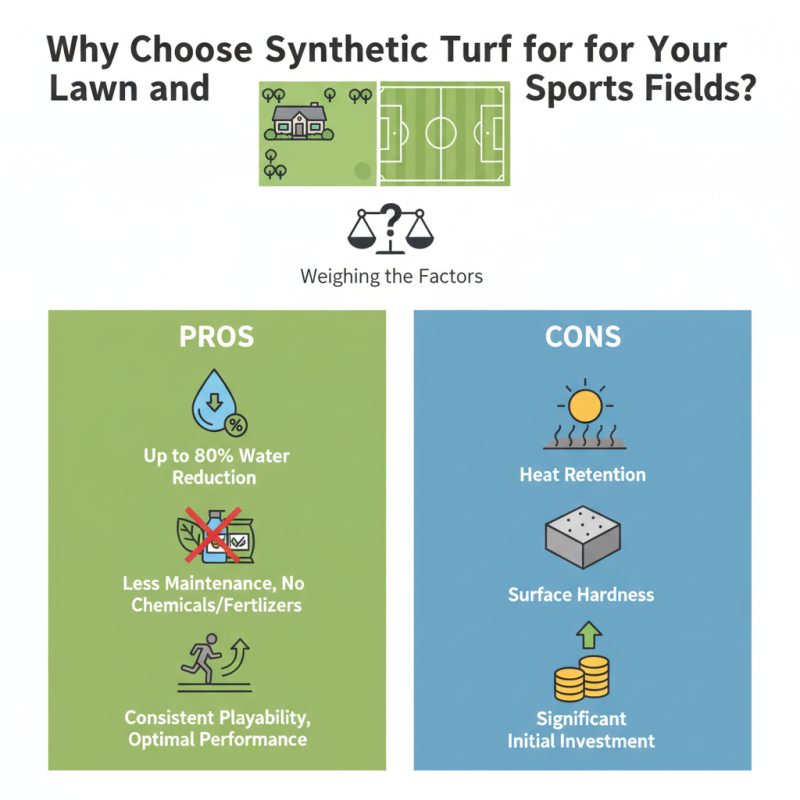
Synthetic turf is becoming a popular choice for both lawns and sports fields. According to a recent report by the Synthetic Turf Council, synthetic turf can reduce water consumption by up to 80%. This statistic is crucial as many regions face water shortages. The durability of synthetic turf also means less maintenance and fewer resources spent on chemicals and fertilizers.
Expert Greg McGowan from TurfTech states, “Synthetic turf provides consistent playability and lower environmental impact.” His insight highlights the advantages for athletes, ensuring optimal performance on the field. The appeal of synthetic turf is visible in its ever-growing applications, from residential yards to elite sports venues.
Yet, it’s crucial to consider some challenges. Concerns about heat retention and surface hardness exist. Additionally, the initial investment can be significant. Weighing these factors helps homeowners and organizations make informed decisions about implementing synthetic turf in their spaces.
Benefits of Synthetic Turf for Residential Lawns
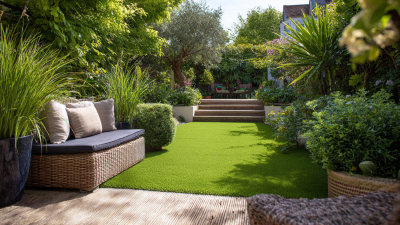
Synthetic turf has gained popularity among homeowners for various reasons. One of the main benefits is its low maintenance requirement. Unlike natural grass, it doesn’t need regular mowing or watering. This is particularly beneficial during hot, dry summer months. Homeowners can enjoy a lush green lawn without the continual effort.
The durability of synthetic turf is another key advantage. It can withstand heavy foot traffic and remain intact for years. This is ideal for families with children or pets. However, some may find the initial investment to be higher than traditional grass. Additionally, it requires an understanding of proper cleaning techniques to keep it in good shape. Over time, the cost savings from reduced maintenance can offset the initial expense.
Aesthetic appeal is also worth noting. Synthetic lawns provide a uniform look that many find attractive. However, some homeowners miss the unique charm of natural grass. There’s often a debate about the environmental impact of artificial surfaces. We need to reflect on balancing convenience with ecological concerns. Overall, while synthetic turf has clear benefits, it also comes with aspects to consider carefully.
Durability and Maintenance Advantages of Synthetic Turf
Synthetic turf offers impressive durability that makes it suitable for lawns and sports fields. Unlike natural grass, it withstands heavy foot traffic without suffering wear and tear. This durability allows for year-round play, regardless of weather. No more muddy patches or brown spots!
Maintenance is another area where synthetic turf shines. It requires significantly less upkeep compared to natural grass. Regular mowing and watering are not needed. Instead, a quick rinse or brush can keep it looking fresh. However, some might miss the smell of fresh grass or the feel under their feet.
While synthetic options provide convenience, they can feel less authentic for some users. The perception of synthetic materials sometimes raises concerns about environmental impact. It’s essential to weigh these pros and cons when considering a synthetic lawn. Balancing practicality with personal preference is key.
Environmental Impact of Synthetic Turf Compared to Natural Grass
Choosing synthetic turf for lawns and sports fields has sparked much debate. One key aspect is its environmental impact. Natural grass requires a significant amount of water, which can be a concern in drought-prone areas. Synthetic turf, on the other hand, needs little to no water for maintenance. This is a huge advantage, especially in regions facing water scarcity.
However, the production of synthetic turf involves the use of plastic materials. This can lead to environmental concerns regarding waste and pollution. While synthetic turf may save water, we must also think about how it is made and disposed of. The long-term effects on soil and wildlife are still being studied. Some people argue that the heat retention of synthetic surfaces can impact local ecosystems.
Another point to consider is maintenance. While synthetic turf doesn’t need mowing or fertilizers, it still must be cleaned and potentially replaced after several years. This raises questions about sustainability. What happens to the old turf?
Ultimately, the decision to use synthetic turf should involve a balanced view of its environmental impact. An informed choice considers water conservation, material waste, and ecological effects. Understanding both sides is vital for responsible decision-making in lawn and sports field management.
Economic Considerations of Installing Synthetic Turf
When considering synthetic turf, economic factors play a crucial role. Initial installation costs may seem high. However, savings on maintenance can offset this. Natural grass requires regular mowing, watering, and fertilizing, all of which add up. In contrast, synthetic turf demands minimal upkeep. Once installed, it typically needs only occasional cleaning and infrequent repairs. This makes it an attractive option for both homeowners and sports facilities.
Tips: Think about your long-term plans. Are you ready to commit to a synthetic lawn? Research local regulations and community opinions. Some neighborhoods may prefer natural grass. It’s wise to weigh these aspects before proceeding.
Another consideration is water usage. Many areas face water restrictions during dry seasons. Synthetic turf reduces water consumption drastically. This not only benefits the environment but also your wallet. Reflect on seasonal changes, too. Will synthetic turf perform well in your climate? It might not be perfect for every region. Evaluate your local weather patterns before making the leap.
Performance and Safety Aspects of Synthetic Turf in Sports Fields
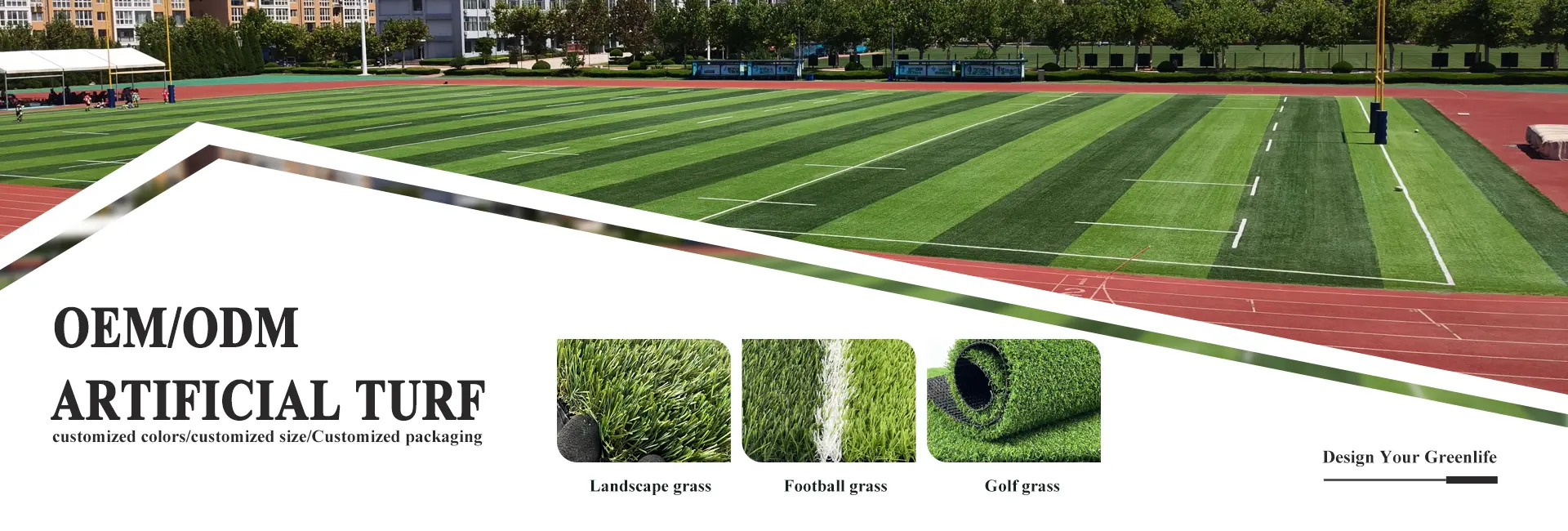
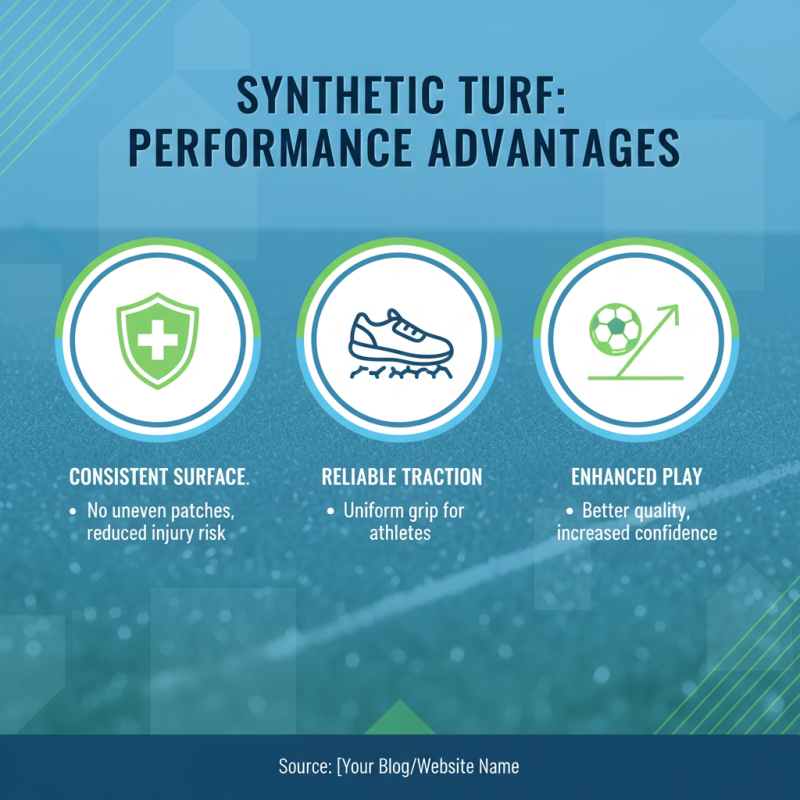
Synthetic turf has become a popular choice for sports fields, primarily due to its impressive performance attributes. It provides a consistent playing surface, minimizing the risk of uneven patches that can lead to injuries. Athletes appreciate the uniformity, as it provides reliable traction. This consistency can enhance the quality of play and increase confidence.
Safety is another crucial factor. Synthetic turf is designed to absorb impact better than natural grass. This reduces the chances of concussions and other injuries. The materials used are often engineered for shock absorption. Players feel a sense of security while running and making sharp turns. However, it’s essential to monitor the field's condition. Regular wear and tear can lead to hard spots that need addressing.
**Tip**: Regular maintenance is key. Check for uneven areas and correct them promptly.
Another consideration is temperature. Synthetic turf can get hot under the sun. Players may feel discomfort during hot days. Using cooling techniques, like water mists, can help mitigate heat issues.
**Tip**: Invest in a turf cooler for effective temperature control.
Involving athletes in feedback can provide insights into the turf's performance. Their experiences can highlight areas needing improvement. This approach fosters a sense of community ownership and can lead to enhancements in the playing environment.