How to Choose the Best Turf Grass for Your Lawn in 2025
Choosing the best turf grass for your lawn in 2025 is a decision that can enhance the aesthetic appeal and functionality of your outdoor space. With advancements in horticultural science and changing environmental conditions, selecting the right type of turf grass is more important than ever. According to Dr. Emily Johnson, a renowned turf grass expert, “The right turf grass can transform your lawn into a sustainable and thriving ecosystem, contributing to both beauty and biodiversity.”
As homeowners seek to create a lush, vibrant landscape, understanding the specific needs and characteristics of various turf grasses becomes essential. Factors such as climate, soil type, and intended use play critical roles in determining the most suitable options. With the ever-evolving field of landscaping and lawn care, 2025 presents unique opportunities to explore innovative turf grass varieties that not only meet aesthetic desires but also promote environmental sustainability.
In this guide, we will delve into key considerations and expert insights to help you make informed decisions for your lawn. By understanding the diverse types of turf grass available and their particular benefits, you can ensure that your lawn flourishes for years to come.

Understanding Climate and Soil Conditions for Turf Grass Selection
When selecting the best turf grass for your lawn, understanding local climate and soil conditions is paramount. According to the USDA Plant Hardiness Zone Map, different grass varieties thrive in specific temperature ranges. For instance, cool-season grasses like Kentucky bluegrass and fescue flourish in northern regions where temperatures are moderate, while warm-season grasses such as Bermuda and Zoysia are more suited for southern areas with hotter climates. Recognizing your regional zone can significantly influence the health and longevity of your lawn, making it essential to choose grass types that are naturally adapted to your local climate conditions.
Soil quality also plays a crucial role in grass selection. The National Turfgrass Evaluation Program (NTEP) highlights that factors such as pH level, drainage capacity, and nutrient content greatly affect grass performance. For example, sandy soils drain quickly but may require more frequent watering and fertilization. In contrast, clay soils, which retain moisture, can lead to poor aeration and potentially harm grass roots. A soil test can inform homeowners of necessary amendments; for instance, raising the pH level with lime can enhance grass growth in acidic soils. By aligning turf grass choices with both climate compatibility and soil health, homeowners can cultivate a resilient and vibrant lawn custom-tailored to their environmental conditions.
Evaluating Different Types of Turf Grass Varieties for Your Lawn
When selecting the best turf grass for your lawn in 2025, evaluating different varieties is essential to ensure that your lawn thrives in your specific climate and usage. According to the Turfgrass Science Journal, various species of turf grass can offer unique benefits, such as drought resistance or shade tolerance, depending on your environmental conditions. Perennial ryegrass and tall fescue are often recommended for transitional zones due to their adaptability and quick establishment, while zoysiagrass is favored in warmer climates for its durability and low maintenance needs.
Tips: When assessing turf grass varieties, consider a variety's growth rate, disease resistance, and tolerance to wear and tear. Conducting a soil test can also provide insights into your lawn's nutrient needs, which can help in choosing the most suitable grass type.
Moreover, advanced turfgrass breeding programs have developed hybrids that integrate desirable traits such as improved drought resistance, which is crucial in an era influenced by changing weather patterns. The 2021 report from the Turfgrass Research Institute highlighted that selecting the right type can reduce water usage by up to 30%, making sustainability a significant factor in your decision-making process.
Tips: Always consider your lawn's intended use—whether for recreational activities or aesthetic purposes. This will guide you in selecting a grass type that can withstand foot traffic while maintaining its lush appearance.
How to Choose the Best Turf Grass for Your Lawn in 2025
| Grass Variety |
Sunlight Requirement |
Watering Needs |
Soil Type |
Growth Rate |
Best Regions |
| Bermudagrass |
Full Sun |
Moderate |
Sandy/Loamy |
Fast |
Southern U.S. |
| Kentucky Bluegrass |
Full Sun to Partial Shade |
Moderate |
Clay/Loamy |
Slow |
Northern U.S. |
| Tall Fescue |
Full Sun to Partial Shade |
Low |
Clay/Loamy |
Moderate |
Transition Zone |
| Zoysiagrass |
Full Sun |
Moderate |
Sandy/Loamy |
Slow |
Southern U.S. |
| Perennial Ryegrass |
Full Sun to Partial Shade |
Moderate |
Loamy |
Fast |
Northern U.S. & Transition Zone |
Assessing Maintenance Requirements of Various Turf Grass Options
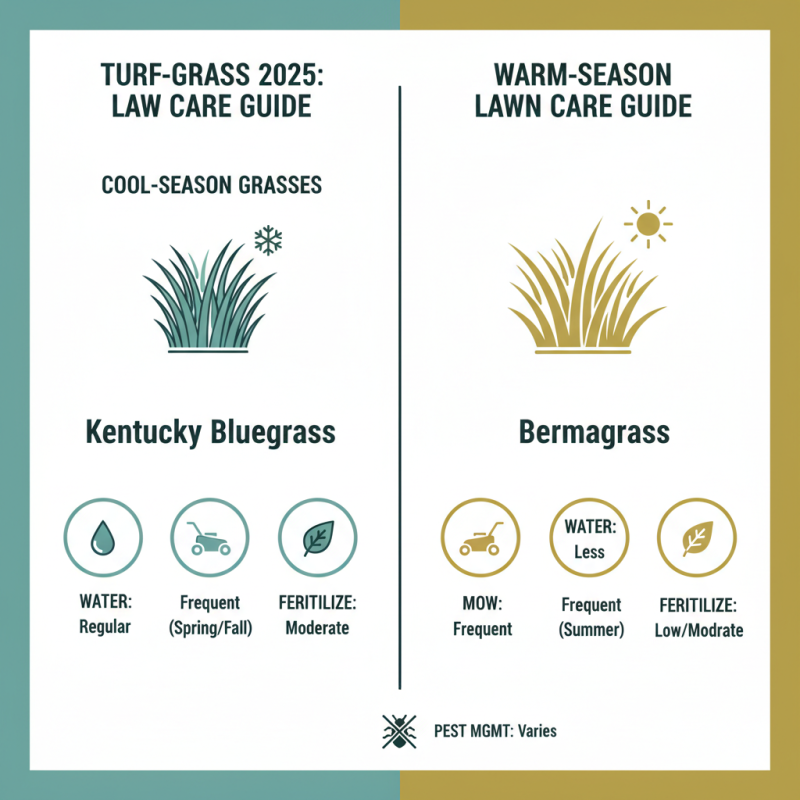
When selecting the best turf grass for your lawn in 2025, understanding the maintenance requirements of various options is crucial. Different types of turf grasses have distinct needs when it comes to watering, mowing, fertilization, and pest management. For instance, cool-season grasses, such as Kentucky bluegrass, thrive in the northern regions and require regular watering and a higher frequency of mowing during their growing season in spring and fall. Conversely, warm-season grasses, like Bermudagrass, are more suitable for southern climates and demand less water, but they require more frequent mowing during the hot summer months.
Moreover, the amount of time and resources available for lawn care should influence your choice. Low-maintenance varieties, such as fescue blends, are popular for homeowners seeking a green lawn with minimal upkeep. These grasses can adapt to various soil types and climates, showing resilience against drought and pests with less need for chemical interventions. It's essential to evaluate your own lawn conditions—including sun exposure, soil health, and local climate—while considering these maintenance factors. By aligning your turf grass choice with your maintenance capabilities, you can achieve a thriving lawn that enhances your outdoor space without overwhelming your schedule.
Considering Aesthetic and Functional Factors in Turf Grass Choice
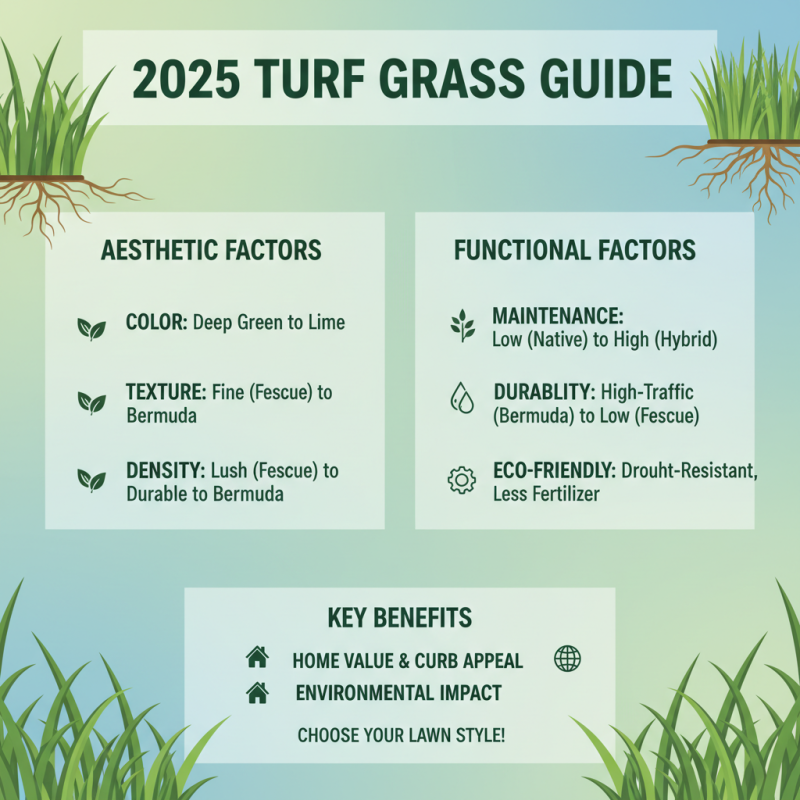
When choosing the best turf grass for your lawn in 2025, it’s essential to consider both aesthetic and functional factors. The visual appeal of your lawn can significantly enhance your home’s curb appeal, while the grass type can impact maintenance requirements and environmental sustainability. Different grass species offer varying shades of green, textures, and growth patterns, allowing you to create a tailored landscape that reflects your style. For instance, fine fescues provide a lush, dense cover, while Bermuda grass offers a more rugged texture, perfect for high-traffic areas.
Tips: To achieve the desired look, analyze your lawn’s sunlight exposure and soil type before making a selection. Cool-season grasses thrive in regions with colder winters, providing vibrant color in spring and fall. In contrast, warm-season grasses flourish in warmer climates, offering drought resistance during summer months.
Additionally, consider the functional aspects of your turf grass choice. If you have pets or children, you may prefer grass varieties that endure wear and tear while remaining resilient. Certain grasses also support better drainage and prevent soil erosion, contributing to a healthier ecosystem. Balancing these aesthetic and functional elements will guide you toward the best turf grass for your needs.
Exploring Sustainable Turf Grass Options for Eco-Friendly Lawns
Choosing the right turf grass for your lawn is crucial not just for aesthetic appeal but also for environmental sustainability. In 2025, there is a growing emphasis on eco-friendly options that can sustainably support local ecosystems while minimizing water usage and chemical runoff. According to a recent report by the American Society of Agronomy, drought-tolerant grass varieties can reduce water consumption by up to 50%, making them a smart choice for environmentally conscious homeowners.
When selecting sustainable turf grass, consider native species that thrive in your local climate. Native grasses are typically more resistant to pests and diseases, reducing the need for chemical treatments. Research from the US Environmental Protection Agency shows that lawns composed of native grasses can improve soil health and support local wildlife, such as pollinators and beneficial insects.
Tips: Look for turf options like fine fescue or buffalo grass, which require less maintenance and are more resilient to changing weather conditions. Additionally, implementing a rainwater collection system for lawn irrigation can further enhance your turf's sustainability while lowering your water bills.