2026 Best Football Artificial Grass Options for Your Needs?
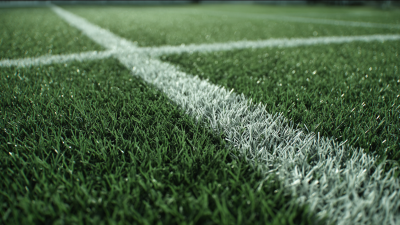
Choosing the right Football Artificial Grass can significantly enhance your playing experience. As the demand for high-quality sports surfaces increases, it’s essential to understand the available options. Football Artificial Grass has evolved, incorporating advanced technology for durability and performance.
In 2026, the options will expand with innovations to improve safety and aesthetics. A good surface reduces injury risks and ensures optimal playability. However, not every type of artificial grass is suitable for all needs. It’s vital to consider factors like infill options, pile height, and overall performance.
Investing in Football Artificial Grass requires thoughtful consideration. Each brand and product offers unique features, but sometimes marketing can be misleading. Research thoroughly and consult with experts to make informed decisions. Reflect on what features matter most to you, as the right choice can transform your game.
Selecting the Right Artificial Grass for Football in 2026
Choosing the right artificial grass for football in 2026 requires careful consideration. The demand for synthetic turf has surged over the past few years. According to industry reports, the global artificial turf market is expected to reach USD 2.8 billion by 2026. Factors fueling this growth include durability, low maintenance, and performance consistency.
When selecting artificial grass, focus on factors like pile height, density, and infill materials. A pile height of 2 to 2.5 inches is often recommended for football. This height allows for optimal ball roll and player comfort. High-density turf contributes to enhanced durability and better performance. It’s essential to assess the infill material, as it impacts shock absorption and playability.
Despite advancements, there are still concerns. For instance, some players report increased heat retention in synthetic fields, leading to discomfort. The environmental impact of production and disposal remains a subject of discussion among experts. It's crucial for decision-makers to weigh these factors carefully, aiming for a balance between performance, safety, and sustainability. Engaging with turf specialists can provide essential insights into making informed decisions for your football field needs.
Types of Artificial Grass Materials Best for Football Fields
When selecting artificial grass for football fields, understanding the types of materials is crucial.
Many options exist, and each has its pros and cons.
Polyethylene is popular for its softness and durability.
It closely mimics natural grass, providing a comfortable feel for players.
However, it can be prone to wear over time, especially in high-traffic areas.
Another option is polypropylene, which is lighter and less expensive.
This material resists UV damage well, making it suitable for sunny regions.
But it lacks the same durability as polyethylene.
It's less resilient under heavy use and might not be ideal for professional fields.
Then there’s nylon, known for its toughness.
It withstands wear and tear, making it suitable for various sports.
However, it's the most expensive option.
Its hardness can be uncomfortable for players, leading to potential injuries.
Each material has its strengths and weaknesses, and careful consideration is essential for optimal choices in football fields.
Key Features to Consider When Choosing Football Turf
Choosing the right artificial grass for football is crucial. Several key features must be considered. First, the fiber height significantly affects gameplay. Ideally, fibers should range from 30mm to 60mm. A study from the Sports Turf Research Institute indicates that optimal fiber height enhances player performance and reduces injury risk.
Another essential factor is the infill material. Infill supports the artificial grass system and plays a role in player safety. Rubber and sand are popular choices. However, the composition can affect shock absorption. Mixing infill types may offer better results. According to industry reports, hybrid infills can reduce surface temperature and enhance player comfort.
Tips: Always examine the grass's UV stability. Low-quality products can fade or degrade quickly. Look at overall durability too. Many artificial surfaces are designed to last 8-15 years, depending on usage.
Finally, consider drainage capabilities. Proper drainage prevents water accumulation and keeps the surface playable in wet conditions. Research shows that good drainage can reduce the risk of mold and bacteria growth. Prioritizing these features can significantly impact surface performance and player experience on the field.
Maintenance Tips for Long-Lasting Football Artificial Grass
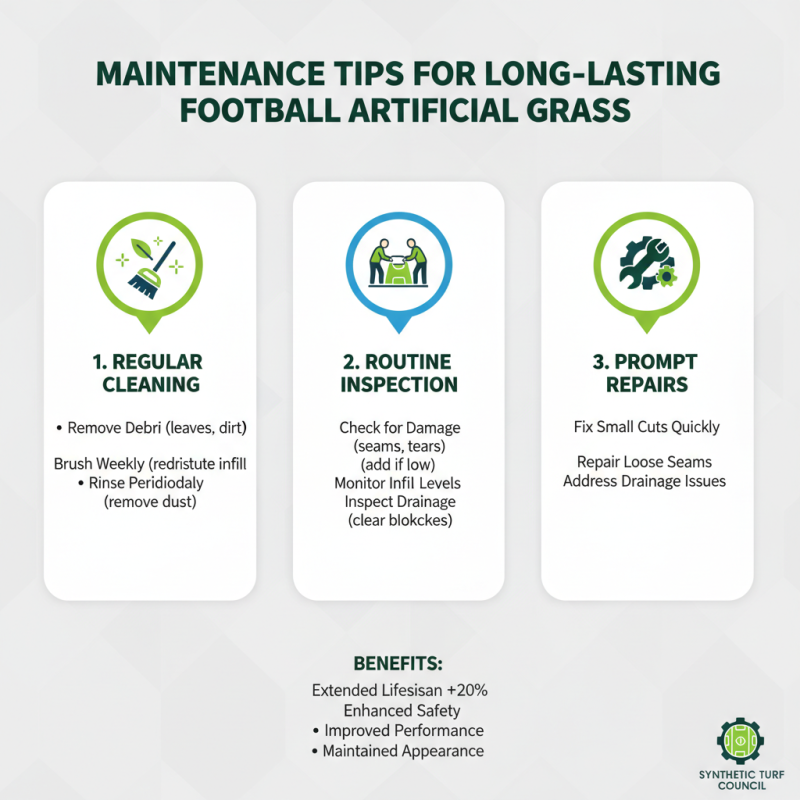
Maintaining artificial grass for football is crucial for ensuring durability and performance. A recent study by the Synthetic Turf Council reveals that proper maintenance can extend the life of artificial turf by up to 20%. Regular upkeep not only preserves the appearance but also enhances safety during play.
To keep your artificial grass in top shape, follow these essential tips. Regularly brush the surface to prevent matting. This helps to keep the infill evenly distributed and ensures proper drainage. Aim to do this at least once a month, especially in high-traffic areas. Also, be mindful of debris. Removing leaves and other organic matter promptly can prevent mold growth and maintain the grass's structural integrity.
Moreover, deep cleaning twice a year is beneficial. Use a gentle detergent mixed with water to eliminate dirt and grime. Pay attention to spots where spills have occurred. Ignoring these can lead to unpleasant odors or permanent stains. As you maintain your turf, reflect on your routine. Are you doing enough to prevent wear and tear? Regular assessments can help identify issues before they become significant problems.
Comparative Analysis of Top Football Synthetic Grass Brands
Selecting the right football synthetic grass involves understanding various options available. Different brands offer unique features, such as varying pile height, density, and fiber materials. A short pile height may provide better ball speed, while a taller one can enhance safety and cushioning. Evaluating these attributes helps in making informed decisions.
Field tests often reveal that not all synthetic grasses perform equally under different weather conditions. Some may hold up well in high temperatures, while others may deteriorate more quickly. Observing player feedback can provide valuable insights into the surface feel and performance. Durability is another factor to consider; it impacts both performance and long-term costs.
Many brands emphasize eco-friendliness and shock absorption. Yet, some synthetic options may not perform as expected, creating uneven playing surfaces. This inconsistency can lead to a less enjoyable experience for players. Seeking reviews and expert opinions can guide buyers in making a choice that best suits their specific needs. It’s crucial to weigh all factors before investing in synthetic grass for football fields.
2026 Best Football Artificial Grass Options