10 Best Artificial Turf Grass Options for Your Lawn?
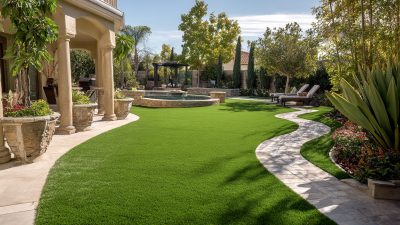
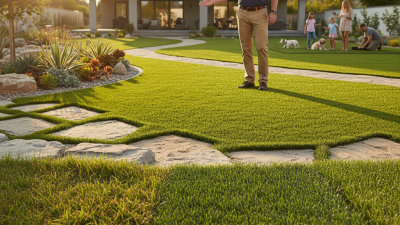
Transforming your lawn with Artificial Turf Grass can be a game changer. Many homeowners seek alternatives to natural grass that require less maintenance. Artificial Turf Grass offers a solution that is both practical and visually appealing.
Gone are the days of weekly mowing and constant watering. Imagine a lawn that remains lush and green year-round. Despite the benefits, choosing the right type of Artificial Turf Grass can feel overwhelming. With countless options available, one might struggle to find the perfect fit for their needs.
Exploring the best Artificial Turf Grass options is essential for creating a beautiful outdoor space. Each product comes with its own set of features and drawbacks. Some might be more durable, while others offer better aesthetics. It’s crucial to reflect on what is most important to you. Make informed choices to enjoy your lawn to the fullest.
Overview of Artificial Turf Grass Benefits for Lawns
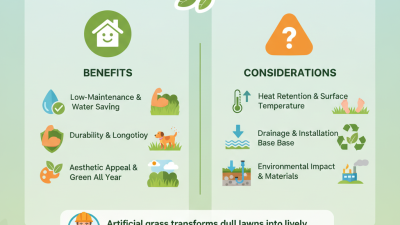
Artificial turf grass offers numerous benefits for lawns, making it an appealing option for homeowners. One major advantage is the reduction in water usage. Natural grass demands significant watering, especially in dry seasons. With synthetic grass, you can maintain a lush appearance without the constant need for irrigation. This can lead to lower water bills and a more sustainable approach to landscaping.
Durability is another key benefit of artificial turf. It can withstand heavy foot traffic, making it perfect for families or pets. Unlike natural grass, it does not suffer from muddy patches or bare spots. However, the initial installation can be costly, and maintenance still requires some effort to keep it clean. Debris can accumulate, and the surface may need occasional brushing.
Notably, artificial turf remains green year-round. This consistency in appearance can enhance the overall aesthetic of your yard. However, it's important to reflect on the environmental implications. While it conserves water, concerns about plastic waste and heat retention exist. Balancing beauty and sustainability may require careful consideration as more homeowners explore this option.
Key Factors to Consider When Choosing Artificial Turf Grass
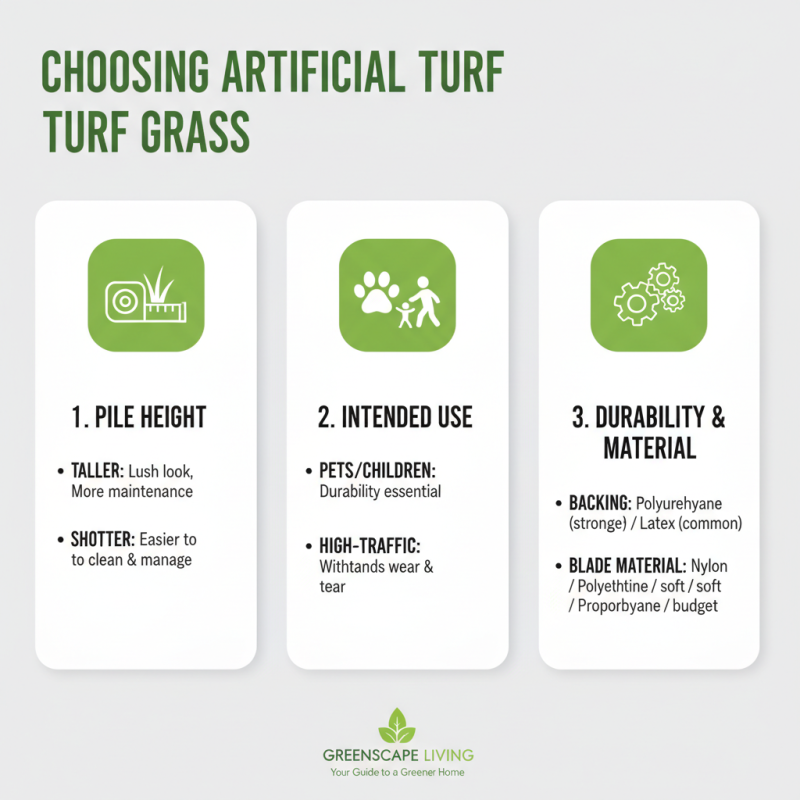
When choosing artificial turf grass for your lawn, consider several key factors. The pile height is important. Taller grass may look lush, but it often requires more maintenance. Shorter grass can be easier to clean and manage. Think about the intended use. If your space will host pets or children, durability is essential. You want a product that can withstand wear and tear.
The texture of the turf can influence the overall look and feel. A soft texture may feel nice but might not be as durable. Color is another aspect. Look for shades that mimic natural grass. They should blend well with your environment. Additionally, examine the backing material. A strong backing is crucial for stability and longevity.
Maintenance is something to reflect on. Some turf options need infrequent brushing while others require regular rinsing. Think about your time and effort. Water drainage is another factor. Poor drainage can lead to problems, especially in rainy seasons. Ensure the turf you choose has proper drainage features.
Top 10 Artificial Turf Grass Options Reviewed
Artificial turf grass has gained immense popularity for lawns, offering a low-maintenance alternative to natural grass. According to a report from the Synthetic Turf Council, the artificial turf market is projected to reach $4 billion by 2026. This is largely due to its durability and long lifespan, often lasting 15 years or more. Many homeowners find it a practical solution, especially in regions where maintaining natural grass can be difficult.
When selecting artificial turf, factors such as blade length and density are crucial. High-density options can provide a more realistic look. Certain products even include technologies to reduce heat retention. However, there are concerns regarding environmental impact. Some artificial turfs are made from non-recyclable materials, raising questions about sustainability. It’s essential to consider these factors and conduct thorough research to avoid potential pitfalls.
Moreover, installation can be a challenge. Professionals typically recommend proper base preparation, which can be costly. Some homeowners choose DIY installation, but mistakes can lead to uneven surfaces. This might result in drainage issues. Balancing aesthetics and functionality requires careful planning. Being informed is key to making the right choice.
Top 10 Artificial Turf Grass Options Reviewed
This chart represents the overall user satisfaction rating (out of 10) for the top 10 artificial turf grass options available in the market. The data shows how each option compares based on user reviews and feedback.
Comparison of Materials and Durability in Turf Grass
When choosing artificial turf grass, materials and durability are crucial factors. Most options use nylon, polyethylene, or polypropylene as their primary components. Nylon is the most durable, easily enduring heavy foot traffic. However, it’s often more expensive and can heat up quickly in direct sunlight.
Polyethylene, on the other hand, is softer and more realistic, providing a more grass-like appearance. Yet, it may lack the longevity of nylon. According to industry reports, polyethylene can lose up to 25% of its original color after just five years of exposure to UV rays. This degradation raises concerns about long-term aesthetics.
Polypropylene is the most cost-effective. Yet, it doesn’t stand up to heavy use. It is prone to matting and can degrade faster than other materials. Studies show that polypropylene turf loses strength after only a couple of years, especially in high-use areas. Consumers must weigh initial costs against potential longevity.
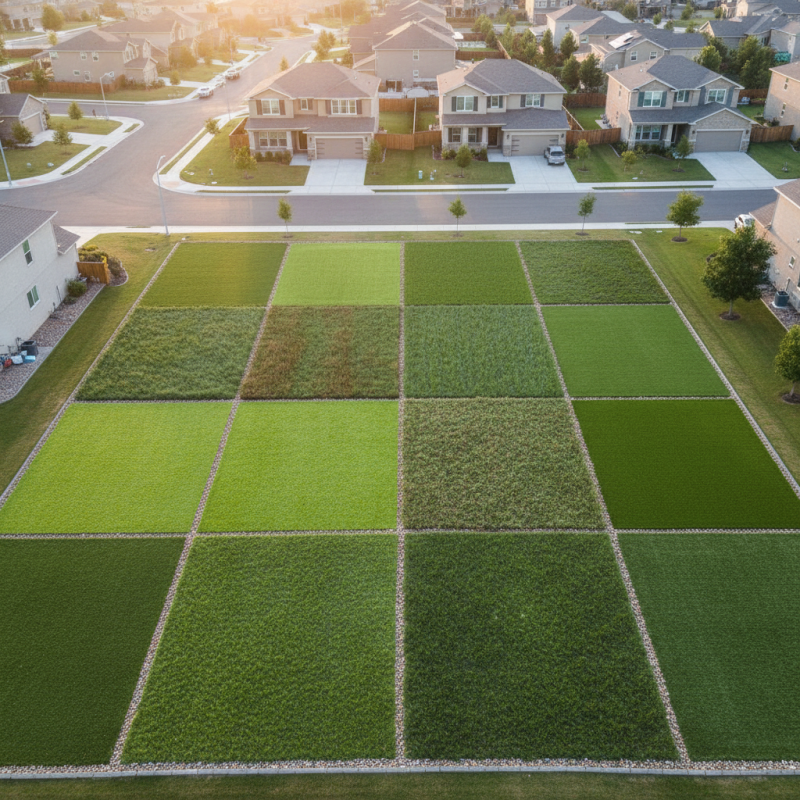
Selecting the right turf requires careful analysis of use cases and environmental factors. Making the wrong choice can lead to disappointing results. Therefore, testing various options in real-world conditions can provide valuable insights. Finding a balance between cost and performance is essential for a satisfactory investment.
Maintenance Requirements for Different Artificial Turf Types
Choosing the right artificial turf for your lawn involves understanding maintenance requirements. Different types of turf demand various levels of care. For instance, polyethylene grass often requires less upkeep compared to nylon. A 2022 industry report highlights that polyethylene is more resistant to UV radiation and retains its color longer, reducing the need for frequent replacements.
In contrast, nylon grass offers durability but comes with a higher maintenance cost. It may require regular brushing and infill replenishment to maintain its appearance. This can lead to additional expenses over time. A study by the Synthetic Turf Council indicates that homeowners can spend upwards of 20% more on the maintenance of nylon compared to other types. Many homeowners overlook these long-term costs, assuming initial prices are the only consideration.
Another critical aspect to evaluate is drainage. Some artificial grass types perform better in rainy conditions. Insufficient drainage can lead to poor grass performance and even mold growth. The choice of infill material also plays a role. Silica sand and rubber infills can affect maintenance frequency. More infill means less frequent grooming, but it can also trap odors if not maintained properly. Regular brushing and washing are vital to prevent accumulation.
10 Best Artificial Turf Grass Options for Your Lawn
| Turf Type |
Blade Height |
Color |
Infill Type |
Maintenance Level |
Lifespan |
| Nylon |
1.5 inches |
Emerald Green |
Silica Sand |
Low |
15-20 years |
| Polyethylene |
1-2 inches |
Olive Green |
Rubber Crumb |
Moderate |
10-15 years |
| Polypropylene |
3/4 inch |
Field Green |
No Infill |
Very Low |
5-10 years |
| Bermudagrass Hybrid |
1.25 inches |
Dark Green |
Sand Infill |
Moderate |
10-15 years |
| Fescue |
2 inches |
Light Green |
Natural Infill |
Low |
15 years |