Top 10 Benefits of Using Synthetic Grass for Your Needs?
In recent years, Synthetic Grass has gained popularity in various applications. Homeowners, businesses, and sports facilities are increasingly turning to this innovative solution. The benefits it offers are numerous and impactful.
Synthetic Grass provides a lush, green landscape without the maintenance headaches of natural grass. It eliminates the need for mowing, watering, and fertilizing. This not only saves time but also reduces costs. Many people are now recognizing the long-term value of investing in Synthetic Grass.
However, it’s important to consider both the advantages and potential downsides. Some may question its environmental friendliness or durability. Being informed will lead to better decision-making. We will explore the top ten benefits that make Synthetic Grass a worthy consideration for various needs. These benefits highlight its practicality, aesthetics, and sustainability.
Advantages of Synthetic Grass Over Natural Grass
Synthetic grass offers numerous advantages over natural grass, particularly in maintenance and environmental impact. According to a report by the Synthetic Turf Council, lawns made from synthetic materials consume up to 70% less water than their natural counterparts. This is crucial in areas facing water scarcity. Additionally, synthetic grass does not require fertilizers or pesticides, reducing the risk of chemical runoff into local water sources.
Durability is another notable benefit. Synthetic grass can withstand heavy foot traffic without suffering from bald patches or muddy areas. A study by the National Recreation and Park Association found that synthetic turf fields can last over 8 years with minimal maintenance. However, the initial installation cost can be a hurdle for some homeowners. It requires careful consideration and planning upfront.
Beyond practicalities, synthetic grass can contribute positively to local ecosystems. It can reduce the urban heat island effect and improve air quality. However, concerns about the environmental impact of synthetic materials may lead to conflicting opinions. Finding balance is essential. Direct engagement with community members is crucial in determining the best solutions for local needs.
Environmental Benefits of Choosing Artificial Turf
The environmental benefits of synthetic grass are increasingly recognized in landscaping and sports management. According to a study by the Environmental Protection Agency, traditional lawns consume about 30% of residential water usage. Switching to artificial turf drastically reduces this demand, conserving millions of gallons of water annually. For instance, a typical soccer field can save up to 200,000 gallons of water each year.
Moreover, synthetic grass eliminates the need for harmful pesticides and fertilizers. These chemicals often pollute local waterways, impacting aquatic ecosystems. A report by the U.S. Fish and Wildlife Service suggests that the reduction of chemical runoff from synthetic turf can lead to healthier wildlife habitats. On top of that, synthetic grass is usually made from recyclable materials, contributing to a circular economy. This shift can decrease landfill waste, addressing the growing global challenge of waste disposal.
While these benefits are compelling, it's essential to acknowledge the environmental impact of production. The manufacturing process of synthetic turf can involve the release of greenhouse gases. Furthermore, synthetic grass has a finite lifespan, typically lasting 8 to 15 years. Afterward, disposal can become an issue unless recyclability efforts are amplified. Balancing these factors is crucial for truly sustainable landscaping practices.
Top 10 Benefits of Using Synthetic Grass for Your Needs
Cost Savings Associated with Synthetic Lawn Installation
Cost savings are a significant advantage of installing synthetic grass. Research shows that homeowners can save up to 70% on water bills after switching from natural to synthetic grass. In regions where water scarcity is a concern, this transition is not only economical but also environmentally responsible.
Maintenance costs are another area where synthetic lawns excel. Unlike natural grass, synthetic options require minimal upkeep, eliminating the need for fertilizers, pesticides, and regular mowing. A report from the Synthetic Turf Council indicates that the average maintenance cost for a synthetic lawn is 2% of that for a natural lawn. This can translate to annual savings of hundreds of dollars for the homeowner.
Some may initially hesitate due to the higher upfront costs of installation. However, the long-term savings often outweigh this initial investment. A study published by the American Society of Landscape Architects observed that homeowners recoup their costs within five to seven years. While synthetic grass might not fit every aesthetic preference, its financial benefits are clear and compelling when evaluated over time.
Maintenance Ease and Longevity of Synthetic Grass
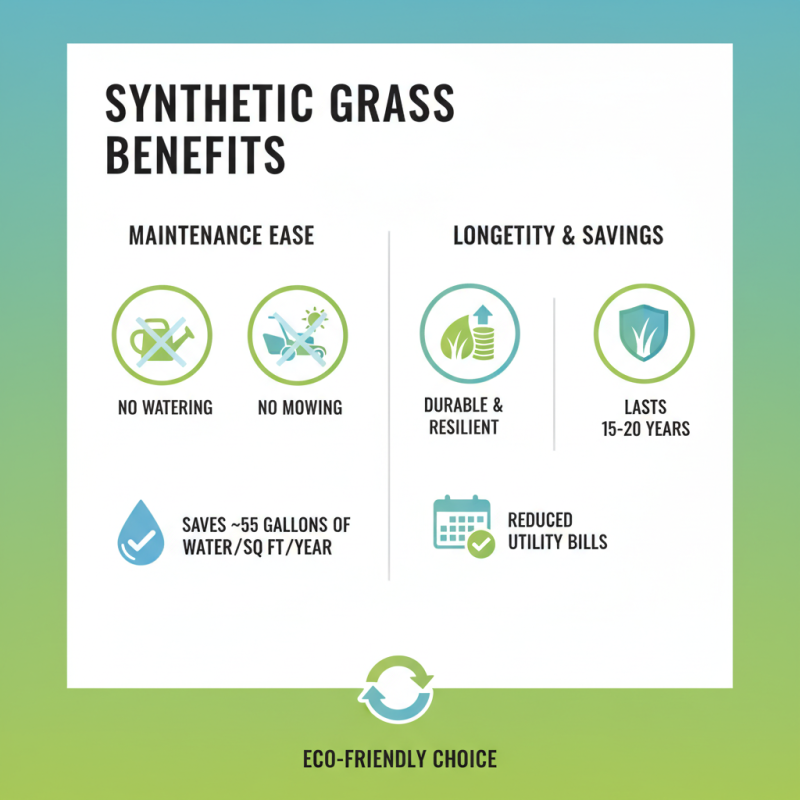
Synthetic grass has become a popular choice for homeowners and businesses alike. One of its standout features is its low maintenance requirement. Unlike natural grass, synthetic turf does not need frequent mowing, watering, or fertilizing. According to a study by the Synthetic Turf Council, synthetic grass can save an estimated 55 gallons of water per square foot per year. This significant reduction in water use not only decreases utility bills but also promotes environmental sustainability.
The longevity of synthetic grass further enhances its appeal. Quality installations can last up to 15-25 years, depending on usage and care. A report from the American Sports Builders Association highlights that synthetic grass maintains its appearance and performance over time, reducing the need for replacement. There’s a downside, however; while initial costs may be higher, the long-term savings on maintenance and water can offset this. Owners must also consider that improper installation can lead to premature wear, emphasizing the need for expert guidance during setup.
Maintaining synthetic grass is straightforward. Regular brushing helps keep the blades upright and reduces dirt accumulation. Some users may find it challenging to manage pet waste on synthetic surfaces. Unlike natural grass, cleaning requires a specific approach, such as using enzyme-based cleaners. Awareness of these details can aid in maximizing the benefits of synthetic grass while addressing potential concerns.
Versatility of Synthetic Grass for Various Applications
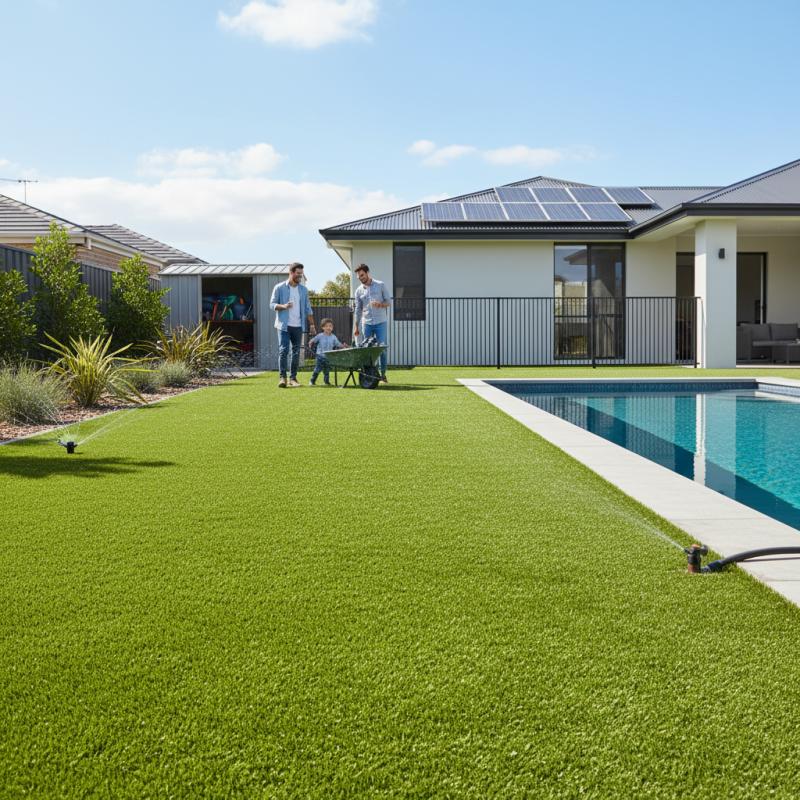
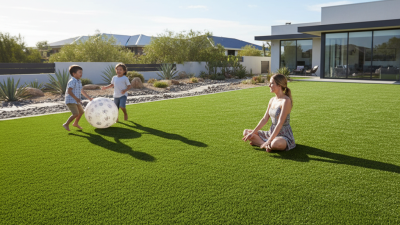
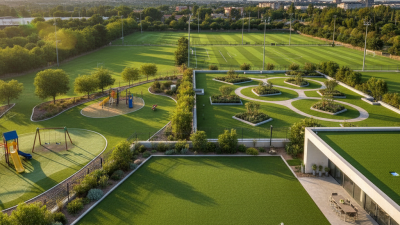
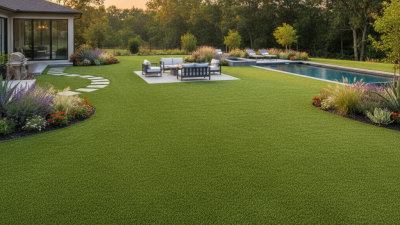
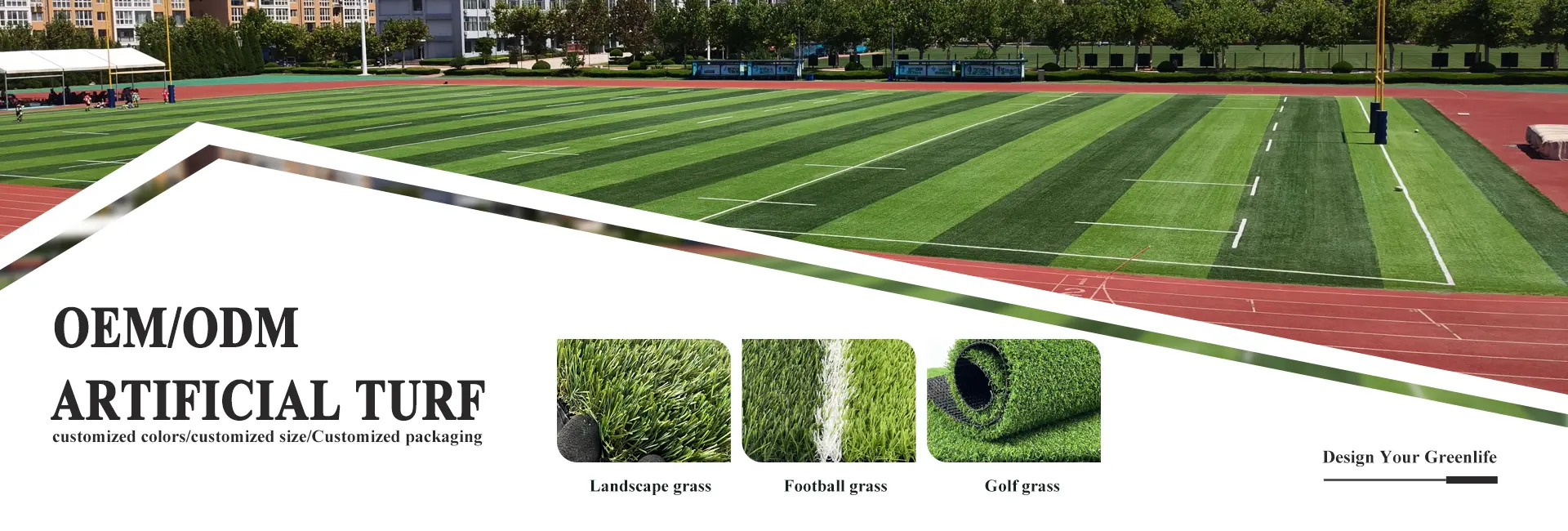
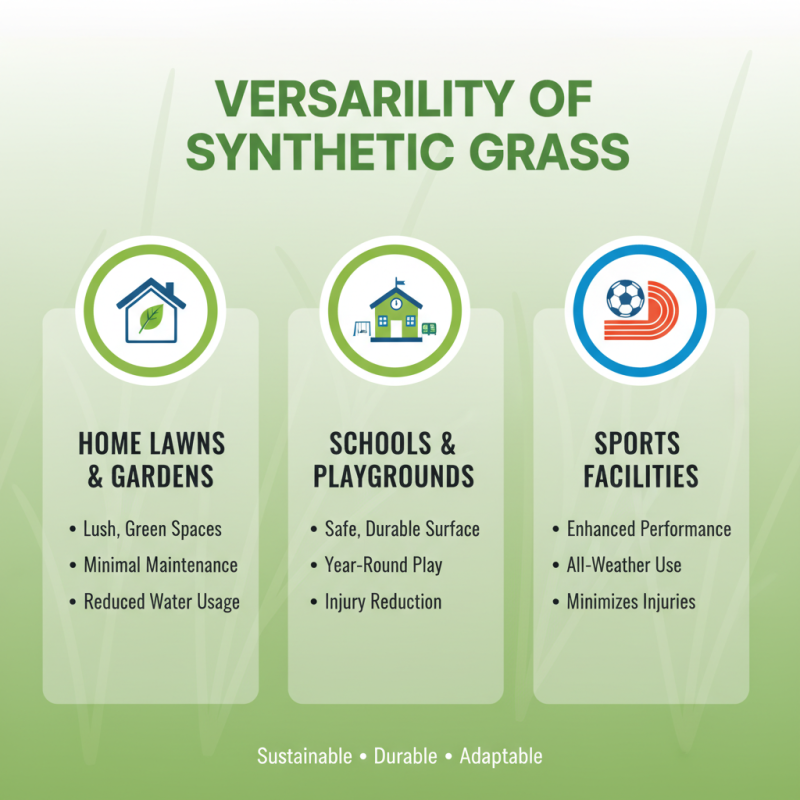
Synthetic grass offers remarkable versatility, making it suitable for various applications. Homeowners commonly choose it for lawns and gardens, creating lush green spaces that require minimal maintenance. This choice reduces water usage significantly. Schools and playgrounds benefit from synthetic turf, providing a safe, durable surface for children to play on year-round. Sports facilities also embrace synthetic grass, as it enhances performance and minimizes injuries.
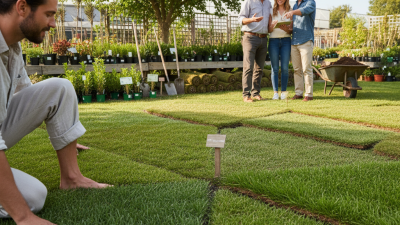
When considering synthetic grass, think about your specific needs. Measure the space accurately before installation. This helps in avoiding waste. Choose infill materials carefully to ensure proper drainage and comfort. Regularly cleaning the turf can extend its lifespan and keep it looking fresh.
Reflect on potential challenges with synthetic grass, too. Although it requires less upkeep, it is not entirely maintenance-free. Be prepared for occasional repairs after severe weather. Additionally, some homeowners might find the initial investment high. Balancing the long-term benefits against upfront costs is crucial for your budgeting.