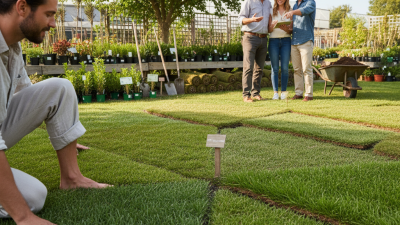
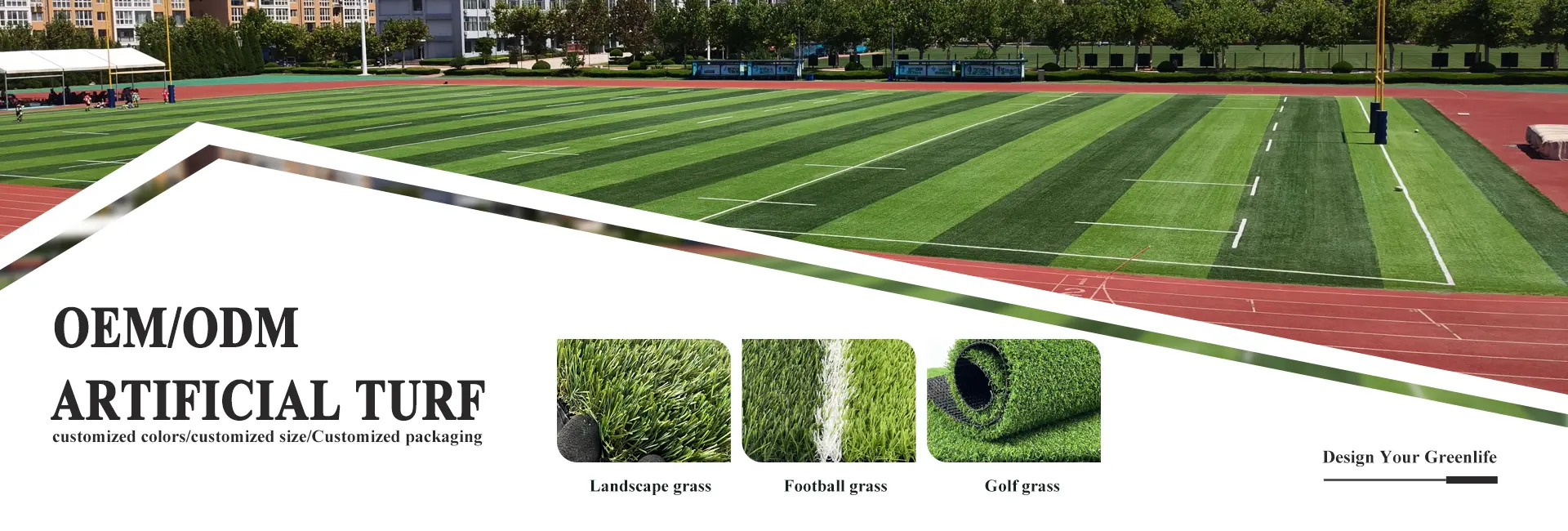
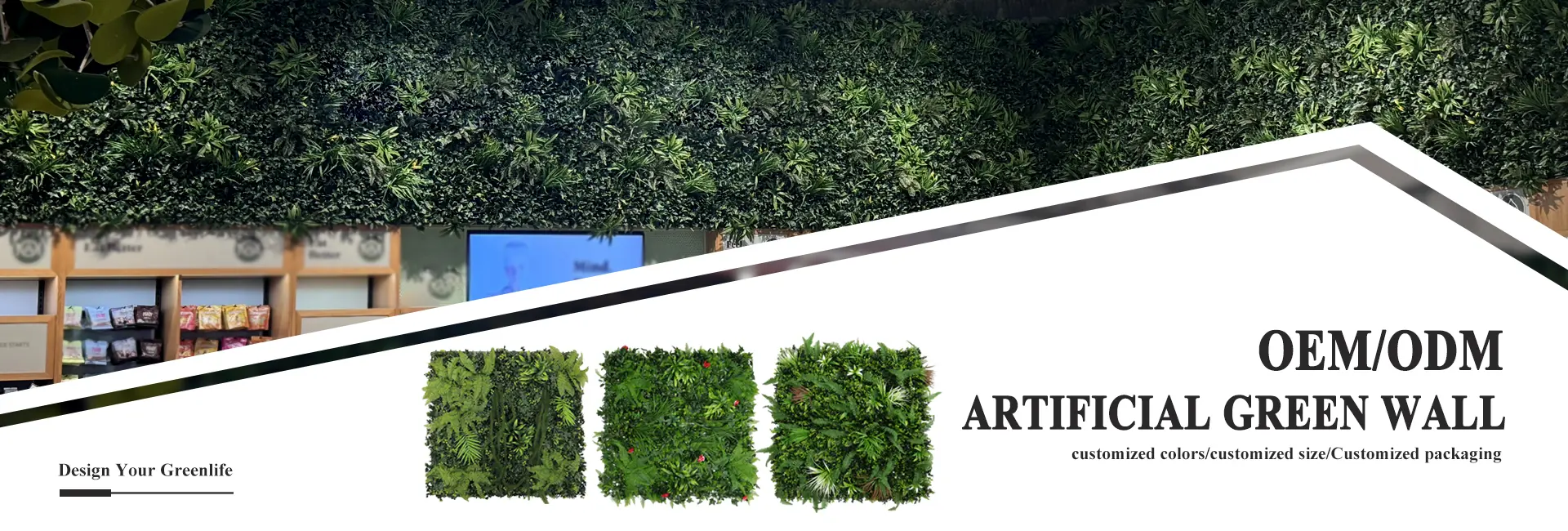
Artificial Turf Grass has become increasingly popular among global buyers. This synthetic alternative to natural grass offers several significant benefits. One key advantage is its durability. Unlike natural grass, it withstands heavy foot traffic without dying or getting damaged. This makes it ideal for sports fields and public parks.
Moreover, Artificial Turf Grass requires minimal maintenance. There is no need for regular mowing, watering, or fertilizing. This saves both time and money for homeowners and property managers. Additionally, it remains green and vibrant year-round, regardless of weather conditions. Imagine a lush lawn in the middle of a drought.
However, some argue about the heat retention of artificial turf. On hot days, the surface can become uncomfortably warm. It’s important to consider this factor for pets and children. Buyers should weigh these pros and cons carefully. Overall, embracing Artificial Turf Grass can transform landscapes effectively and efficiently.
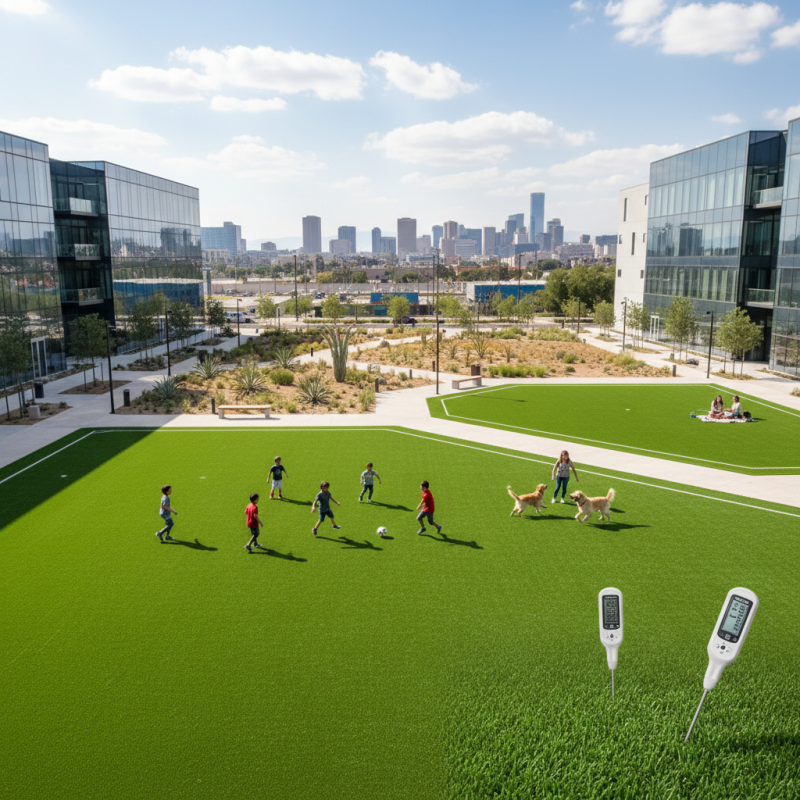
Artificial turf grass offers several advantages for cost-effective lawn maintenance. Homeowners often face high expenses related to traditional grass. Regular mowing, watering, and fertilizing can add up quickly. With synthetic grass, these costs are significantly reduced. It requires minimal water, making it an eco-friendly choice. No need for expensive lawn care equipment.
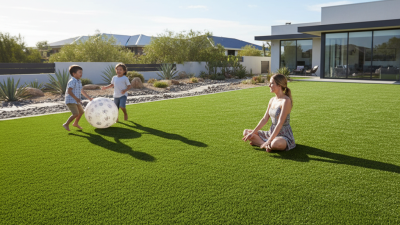
One notable aspect is its durability. Artificial turf can withstand heavy foot traffic without significant wear. This is particularly useful for families with children or pets. However, some users may find that initial installation costs can be high. Long-term savings in maintenance, though, often justify this investment.
Weather can also impact outdoor spaces. Natural grass suffers during droughts and extreme heat. Artificial turf remains lush and green regardless of climate conditions. Despite the benefits, some people feel it lacks the charm of real grass. It’s important to weigh the pros and cons carefully. Each situation is unique, and reflection on one’s specific needs is crucial.
| Benefit | Description | Cost-Effectiveness |
|---|---|---|
| Low Maintenance | Artificial turf requires less upkeep compared to natural grass, as it doesn't need mowing, watering or fertilizing. | Saves on lawn care costs and labor expenditure. |
| Durability | Designed to withstand heavy foot traffic and adverse weather conditions, offering consistent performance over time. | Reduces long-term replacement costs. |
| Water Conservation | Helps to conserve water resources as it doesn’t require frequent watering. | Lowers water bills and is environmentally friendly. |
| Pest Resistance | Artificial turf is resistant to pests and doesn’t require the use of harmful pesticides. | Eliminates pesticide costs and promotes a safer environment. |
| Aesthetic Appeal | Provides a consistently green, lush appearance year-round. | Enhances property value without annual re-seeding costs. |
| Versatility | Suitable for various applications including residential lawns, playgrounds, and sports fields. | Multiple usage areas justify investment costs. |
| Safety Features | Soft surface can reduce injuries from falls, making it safer for children and pets. | Potentially lowers medical costs related to injuries. |
| Easy Installation | Can often be installed over existing surfaces without extensive site preparation. | Reduces labor costs during installation. |
| Eco-Friendly | Reduces the need for chemicals and promotes sustainable water usage. | Appeals to environmentally-conscious consumers. |
| Seasonal Consistency | Remains functional and looking good regardless of climate or season. | No seasonal maintenance costs or restoration required. |
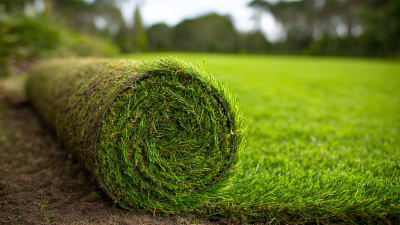
Choosing artificial turf offers significant environmental benefits when compared to natural grass. One major advantage is water conservation. Traditional lawns require substantial amounts of water for irrigation. In contrast, artificial turf does not need watering, reducing water waste significantly, especially in drought-prone areas.
Moreover, artificial grass eliminates the need for harmful pesticides and fertilizers. These chemicals can leach into the soil and water systems, harming ecosystems. With artificial turf, you enjoy a green landscape without contributing to soil and water pollution. Additionally, synthetic grass does not require mowing, which cuts down on fossil fuel consumption and air pollution from lawn mowers.
While it may seem ideal, it's important to consider the environmental implications of producing and disposing of artificial turf. The production process involves energy usage and synthetic materials, which can pose challenges. Responsible disposal is also vital. Recycling programs are still evolving, making it necessary to choose options that prioritize sustainability during the lifespan of the turf. These critical reflections can guide buyers toward making more informed decisions while enjoying the benefits of an eco-friendlier landscape.
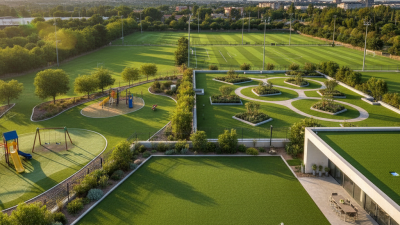
Artificial turf is gaining popularity due to its durability, especially in high-traffic areas. A report from the Synthetic Turf Council indicates that artificial grass can withstand heavy use, lasting up to 15 to 20 years. This makes it an excellent choice for sports fields, playgrounds, and residential lawns, where foot traffic is frequent.
Unlike natural grass, artificial turf requires minimal maintenance. It does not need mowing, watering, or fertilizing, making it cost-effective over time. On average, maintaining natural grass can cost around $1,500 per year, while synthetic options significantly reduce this expense. Furthermore, artificial turf remains pristine even under constant wear, retaining its color and texture.
However, not all installations are flawless. Some installations can suffer from inadequate drainage systems, leading to water pooling. So, careful planning and professional installation are crucial for optimal performance. Ensure proper infill materials are used to enhance durability and comfort. These factors are essential when evaluating long-lasting solutions for areas expecting high foot traffic.
Artificial turf grass offers remarkable aesthetic appeal that enhances any landscape design. This synthetic option provides a lush, vibrant green look year-round. Unlike natural grass, which requires constant care, artificial turf maintains its beauty without the stress of watering, mowing, or fertilizing. It creates a fresh and inviting atmosphere that can transform dull spaces into lush gardens.
When incorporating artificial turf, consider the surrounding elements. Pair it with colorful flowers, decorative stones, or modern furniture to create a balanced look. Use different textures and heights to add depth to your design. Think about how the turf will fit into the overall theme of your landscape.
Tips: Ensure that your turf installation is done correctly. Poor installation can lead to uneven surfaces, which detracts from its appeal. Regularly inspect your turf for wear and tear. Maintaining the beauty of your landscape requires attention to detail. Don’t rush through the planning phase; take your time to reflect on your design vision. A well-thought-out landscape will stand the test of time, both aesthetically and functionally.
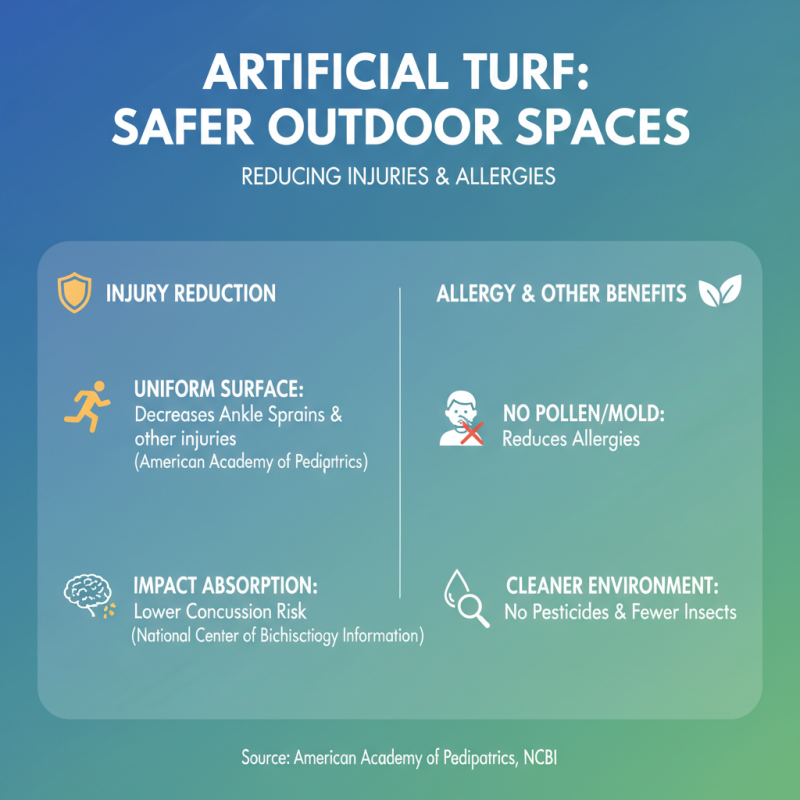
Artificial turf has become a popular alternative for outdoor spaces, particularly due to its safety features. According to the American Academy of Pediatrics, artificial turf can significantly reduce injuries in sports fields. The uniform surface decreases the likelihood of ankle sprains and other injuries that often occur on uneven natural grass. Additionally, a study from the National Center for Biotechnology Information reported that artificial turf surfaces are less likely to lead to concussions. This is crucial for young athletes in local sports leagues.
Allergies are another concern for many outdoor enthusiasts. Traditional grass can trigger hay fever and other allergic reactions. A report by the Asthma and Allergy Foundation states that about 20 million adults suffer from seasonal allergies in the U.S. Artificial turf virtually eliminates grass pollen, creating a safer environment for allergy sufferers. This reduction is particularly important during peak pollen seasons, promoting outdoor activities without the fear of allergic reactions.
While these benefits are compelling, there are still aspects to reflect on. Not all artificial turf products are created equal. Differences in materials can influence performance and safety. Some artificial surfaces can become excessively hot in the sun, raising concerns about heat-related injuries. Therefore, careful selection is essential when considering artificial turf for outdoor spaces.