2026 Top Trends in Football Artificial Grass for Modern Stadiums?
As we move closer to 2026, the world of sports continues to evolve. One of the most significant changes is in the use of Football Artificial Grass. Modern stadiums are now embracing this technology for various reasons. The appeal of artificial grass goes beyond aesthetics; it offers durability and reduced maintenance costs for stadium owners.
Moreover, Football Artificial Grass presents unique playing conditions. Athletes benefit from a consistent surface that enhances their performance. However, there are ongoing concerns about player safety and environmental impact. The discussion must focus on how to improve these materials. Engaging with these challenges can drive innovation in the industry.
The integration of advanced technology into Football Artificial Grass is vital. Smart systems can monitor play conditions and adjust surfaces accordingly. Yet, some may argue that a natural grass field cannot be replicated. These contrasting views lead to an essential dialogue about the future of football. Understanding the trends in artificial grass will shape how the game is played in the coming years.
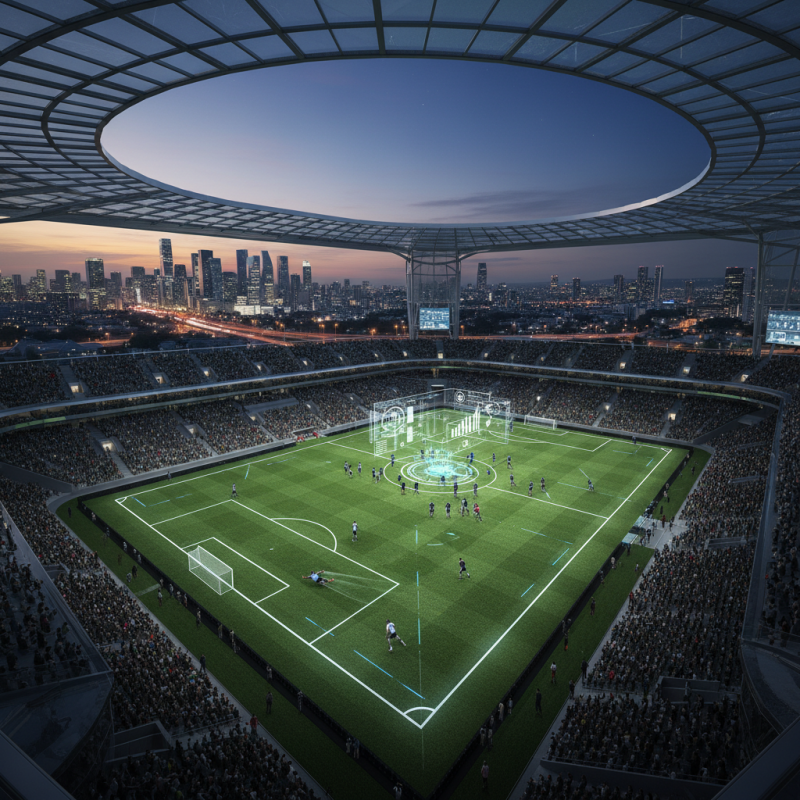
2026 Trends in Football Artificial Grass for Modern Stadiums
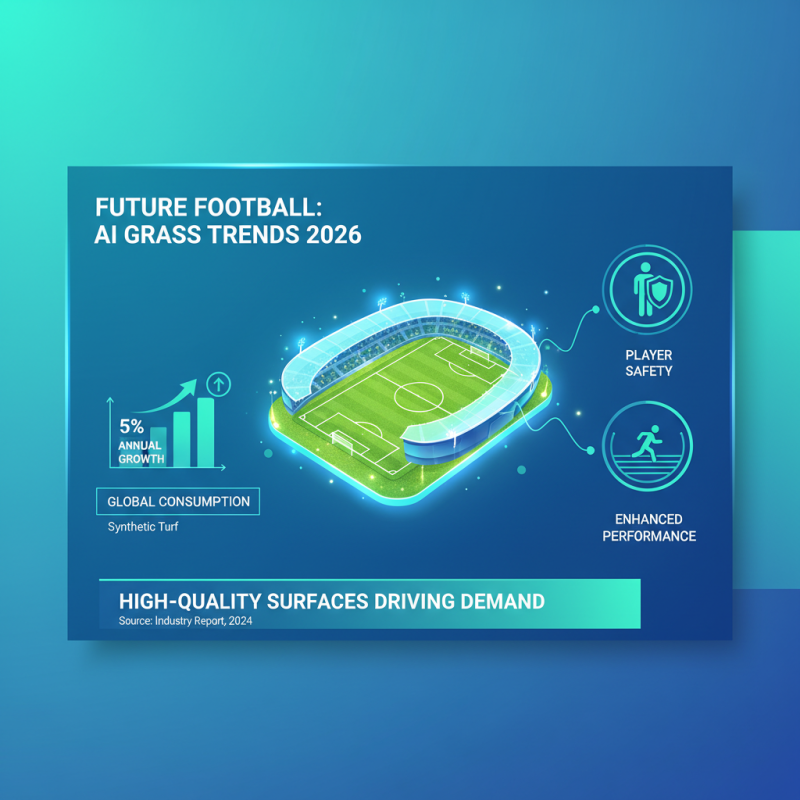
As the world moves toward 2026, the trends in football artificial grass for modern stadiums are shifting. A recent report indicates that synthetic grass consumption is projected to grow by 5% annually. This growth stems from a rising demand for high-quality playing surfaces. Stakeholders are increasingly focusing on player safety and performance.
Sustainability is also a key trend. Research shows that over 70% of modern stadiums prioritize eco-friendly materials. The addition of infill systems that mimic natural grass is gaining popularity. These systems enhance player comfort while reducing injuries. However, some concerns linger. For example, the heat retention of synthetic grass can be problematic. In warmer climates, field temperatures can rise significantly, potentially affecting player endurance.
Maintenance is another critical aspect. Advanced technologies now allow for easier upkeep of synthetic fields. Automated systems monitor wear and tear. Yet, the longevity of artificial grass remains a concern. The need for replacement after 8-10 years raises questions about sustainability. Finding a balance between performance and environmental impact is crucial for future developments. The blend of innovation and practicality must drive the industry's vision.
Advancements in Materials for High-Performance Football Turf
The evolution of football artificial grass is transforming modern stadiums. Advancements in materials are key to achieving high-performance turf. According to recent studies, synthetic grass can now replicate the feel of natural grass more closely than ever. This is critical for player comfort and performance.
One major breakthrough involves the use of eco-friendly infill materials. These innovations help improve drainage and durability. Synthetic fields now feature advanced polyethylene fibers that withstand heavy use without losing quality. However, some reports indicate that trace chemicals in certain products can still raise concerns. Balancing performance with safety is a continuous challenge.
Furthermore, the lifespan of artificial turf has increased significantly. Many fields now boast a lifespan of over ten years with proper maintenance. Yet despite these advancements, wear and tear can lead to inconsistent playing conditions. Regular inspections are needed to ensure optimal performance levels. Future improvements should focus on addressing these issues while maintaining sustainability in materials used.
2026 Top Trends in Football Artificial Grass for Modern Stadiums
Sustainability in Artificial Grass: Eco-Friendly Innovations
Sustainability is key in the evolution of football artificial grass. Recent reports indicate that nearly 60% of modern stadiums prioritize eco-friendly materials. These innovations stem from the need for environmentally responsible practices. The demand for sustainable options is rising. Research shows that almost 40% of artificial grass now comes from recycled materials.
Yet, challenges remain. The recycling process itself can be energy-intensive. Some synthetic fibers are difficult to fully recycle. Innovative companies are exploring biodegradable materials. These options may reduce the ecological footprint. However, the performance of these alternatives sometimes falls short. Balancing durability and sustainability is crucial.
Increasingly, stadiums are adopting water-saving technologies. In addition, efficient drainage systems are now standard. These help conserve water while maintaining quality. Reports suggest that improved turf can cut maintenance costs by up to 30%. Despite this, figuring out optimal installation methods is still a hurdle. These reflections highlight the ongoing evolution in sustainable football grass, creating a path towards greener sporting arenas.
Technological Integration: Smart Features in Football Turf
The integration of smart technology in football turf is revolutionizing modern stadiums.
Artificial grass is no longer just about aesthetics and durability.
Advanced features are enhancing gameplay and fan experiences.
According to a recent industry report, smart turf can improve efficiency by 25%
and reduce maintenance costs by 30%.
These statistics show the vast potential of technology in sports fields.
Embedded sensors within the turf can monitor player movements and field conditions. This data allows teams to analyze performance metrics in real time.
Coaches can make quicker decisions based on accurate information. It also aids in injury prevention
by tracking stress levels on the turf during play. Keeping players safe is a priority, and tech can help achieve that.
Tip: When selecting turf, consider its ability to integrate with existing stadium technology.
Choose surfaces that support data collection for better analysis. Regular updates and learning from performance metrics are crucial for continuous improvement.
Embracing these innovations might pose initial integration challenges, but the long-term benefits are significant.
Aim for versatility in your installation to ensure adaptability for future advancements.
Design Aesthetics: Enhancing Stadium Experience with Artificial Grass
The design aesthetics of modern stadiums are evolving.
Artificial grass plays a crucial role in this transformation. With vibrant colors and realistic textures, it enhances the overall atmosphere. Fans are drawn to visually appealing fields that mimic natural grass. This aesthetic appeal makes stadiums more inviting.
Imagine a game day where the field shines under bright lights, creating an unforgettable experience. Artificial grass can be customized to match a stadium’s colors and themes, promoting team identity. However, some may argue that the synthetic look lacks authenticity. Finding that balance can be challenging for designers.
Also, maintenance is crucial. While artificial grass reduces upkeep time, it may not always provide the desired feel. Some players prefer the natural response of real grass. Stadium designers must engage in constant reflection. They must weigh design choices against player experiences and fan perceptions.