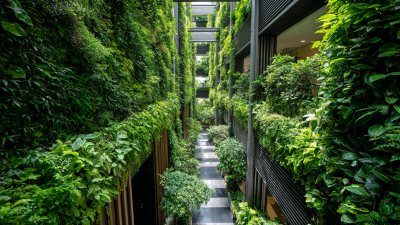
As urbanization continues to escalate, the need for sustainable architecture and green solutions has become increasingly vital. Vertical green walls, often referred to as living walls, are among the most innovative trends in modern urban design. According to a report by Grand View Research, the global green wall market size was valued at USD 2.7 billion in 2020 and is expected to expand at a compound annual growth rate (CAGR) of 7.9% from 2021 to 2028. This demonstrates a growing recognition of the benefits that vertical green walls bring to both aesthetics and environmental functionality.
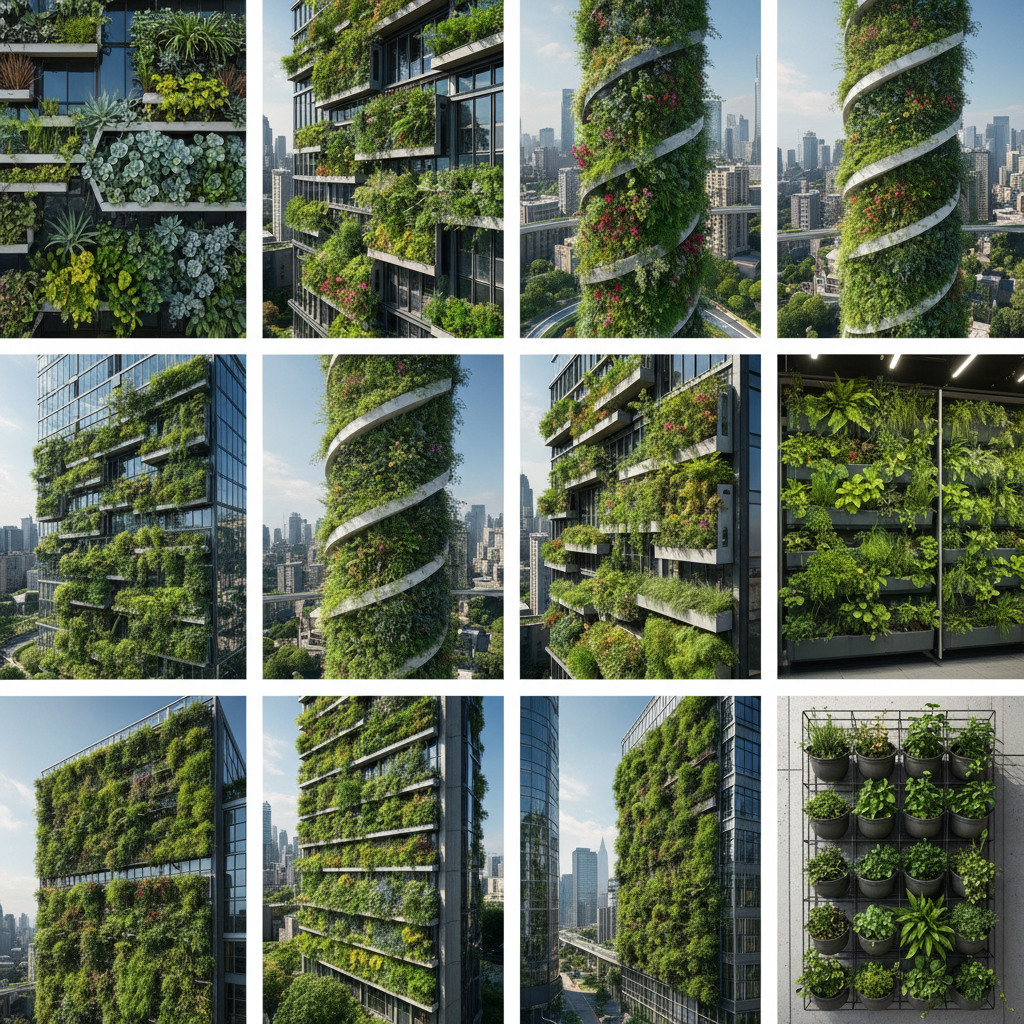
Vertical green walls not only enhance the visual appeal of buildings but also contribute significantly to urban biodiversity, improve air quality, and help mitigate heat. The American Society of Landscape Architects (ASLA) emphasizes that vertical gardens can reduce indoor temperatures by up to 10°F, showcasing their effectiveness in climate control. Furthermore, these innovative structures serve as natural insulation, which can reduce energy consumption and lower utility costs. As we move closer to 2025, understanding the top trends in vertical green walls will be crucial for architects, designers, and urban planners seeking to incorporate green infrastructure into their projects.
As vertical green walls gain popularity, innovative plant selection strategies are crucial for maximizing their ecological and aesthetic benefits. According to a recent report by the International Society of Horticultural Science, the use of native plant species is projected to increase by 30% in vertical gardening, emphasizing environmental sustainability and reduced maintenance costs. Native plants not only thrive in their local conditions but also enhance biodiversity, attracting beneficial pollinators and wildlife to urban spaces.
In 2025, we can expect to see a rise in the integration of technology with plant selection. The use of smart sensors and data analytics will facilitate the selection of plants that are optimized for specific microclimates within vertical gardens. A report by the Green Roofs for Healthy Cities organization indicates that intelligent irrigation systems could lead to a reduction in water usage by up to 50%. This technology-driven approach will allow designers to curate more resilient and low-maintenance vertical green walls, aligning with the growing trend towards sustainability in urban landscapes.
The integration of smart technology in vertical green wall designs is revolutionizing the way we interact with urban greenery. As cities become more densely populated, vertical gardens are not just aesthetic additions; they are essential for improving air quality and enhancing urban biodiversity. Smart technology solutions, such as automated irrigation systems and real-time monitoring of plant health, are making it easier to maintain these green walls while maximizing their benefits. These innovations ensure that plants receive the appropriate amount of water and nutrients, adapting to varying weather conditions and reducing water waste.
Moreover, the rise of IoT (Internet of Things) in vertical gardening is paving the way for personalized environmental control. Sensors embedded within these wall systems can provide data on temperature, humidity, and light levels, allowing for tailored care of specific plant species. Additionally, mobile applications enable users to engage with their green walls more interactively—offering notifications about watering schedules, growth progress, and even reminders for maintenance. This fusion of nature with cutting-edge technology not only boosts the sustainability of urban landscapes but also enhances our connection to the natural world in an increasingly digital era.
Vertical gardens, or green walls, are not just aesthetically pleasing; they also play a crucial role in enhancing urban sustainability. A recent report from the Green Building Council estimates that vertical gardens can reduce building energy use by up to 30% by insulating walls and decreasing temperature fluctuations. This reduction in energy consumption directly translates to lower greenhouse gas emissions, underscoring the environmental benefits of incorporating green walls into architectural designs.
Assessing the sustainability metrics of vertical gardens reveals their positive impact on air quality and biodiversity. According to research from the International Journal of Environmental Research and Public Health, these installations can improve urban air quality by reducing pollutants like nitrogen dioxide and particulate matter by up to 60%. Furthermore, they provide habitats for various species, promoting urban biodiversity. By integrating these living structures into city planning, urban planners can create healthier ecosystems, highlighting the importance of vertical gardens in the pursuit of sustainable cities.
Vertical green walls are emerging as a crucial innovation in urban design, particularly in mitigating the urban heat island (UHI) effect. This phenomenon occurs when urban areas experience significantly higher temperatures than their rural surroundings, primarily due to human activities and infrastructure. Vertical green walls can help counteract UHI by introducing living vegetation into cityscapes, which lowers surface and air temperatures through the processes of evapotranspiration and shade provision. This not only alleviates local heat but also contributes to improved air quality and enhanced urban biodiversity.
Moreover, the role of vertical green walls in climate resilience extends beyond temperature regulation. By integrating these green structures into urban planning, cities can better manage stormwater runoff, reducing the risk of flooding and sewage overflow during heavy rains. The plants in these walls absorb rainfall, which decreases the load on drainage systems and minimizes pollution entering waterways. As cities face increasing climate challenges, vertical green walls represent a sustainable solution that enhances urban living while promoting environmental health.
| Trend | Description | Benefits | Expected Impact |
|---|---|---|---|
| Modular Systems | Prefabricated modules for easy installation. | Reduced installation time, customizable options. | Urban heat reduction, improved aesthetics. |
| Smart Irrigation | Automated watering systems based on moisture sensors. | Water conservation, healthier plants. | Enhanced climate resilience. |
| Biodiversity Enhancement | Cultivating diverse plant species. | Support local wildlife, improve ecosystem health. | Higher resilience against climate impacts. |
| Air Quality Improvement | Vertical gardens that filter pollutants. | Better air quality, health benefits. | Reduction in urban smog. |
| Vertical Farming | Urban farms integrated into vertical walls. | Local food production, reduced carbon footprint. | Food security, climate mitigation. |
| Community Engagement | Involvement of local communities in green wall projects. | Strengthened community ties, educational opportunities. | Increased public awareness on climate issues. |
| Innovative Materials | Use of recycled and sustainable materials in wall construction. | Reduced environmental impact, cost savings. | Promotes circular economy. |
| Aesthetic Integration | Designing with beauty and art in green walls. | Enhanced urban appeal, draws visitors. | Boosts local economy through tourism. |
| Climate Monitoring | Utilizing technology to monitor microclimates. | Data-driven insights for better management. | Improved resilience strategies. |
| Policy Support | Encouraging regulations for green walls in urban planning. | Increased funding, widespread adoption. | Long-term urban sustainability. |
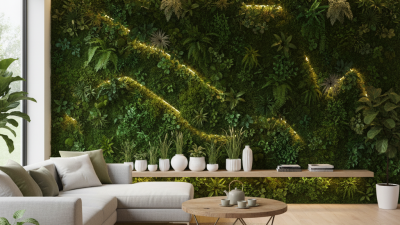
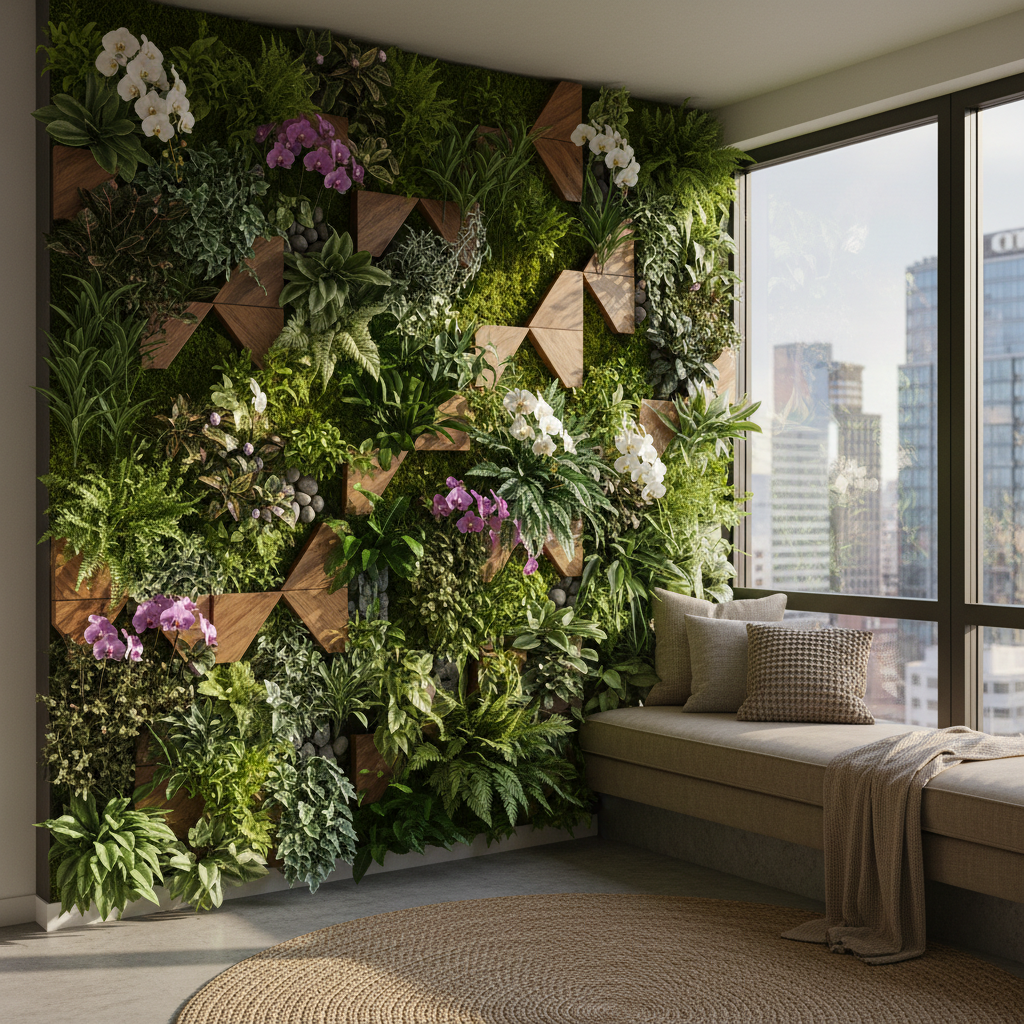
As we head into 2025, the integration of biophilic design into vertical green walls is becoming a key trend in interior design. This shift reflects a growing desire among homeowners to bring elements of nature indoors, enhancing not just aesthetics but also overall well-being. The vertical garden construction market, projected to grow from $1.08 billion in 2024 to $2.08 billion by 2032 at a CAGR of 8.5%, underscores the rising popularity of these living structures. With the increasing recognition of the benefits of houseplants and natural textures, designers are keen to incorporate lush greenery into urban habitats, creating a serene atmosphere that resonates with nature.
The demand for wellness-oriented spaces is driving this trend, with biophilic design principles promoting a harmonious relationship between indoor environments and the natural world. This is echoed in the evolving landscape of home aesthetics, where homeowners are prioritizing sustainable solutions that not only reflect personal identity but also enhance daily living experiences. As biophilic and circadian design concepts continue to shape the future of architecture, the trend towards vertical green walls stands as a testament to our collective shift towards creating healthier, more sustainable living spaces.